
Free in-home measure and quote - PGT, CGI and CWS impact lines compared on your actual openings, style by style
Sliding glass doors
Impact garage doorsPGTCGI
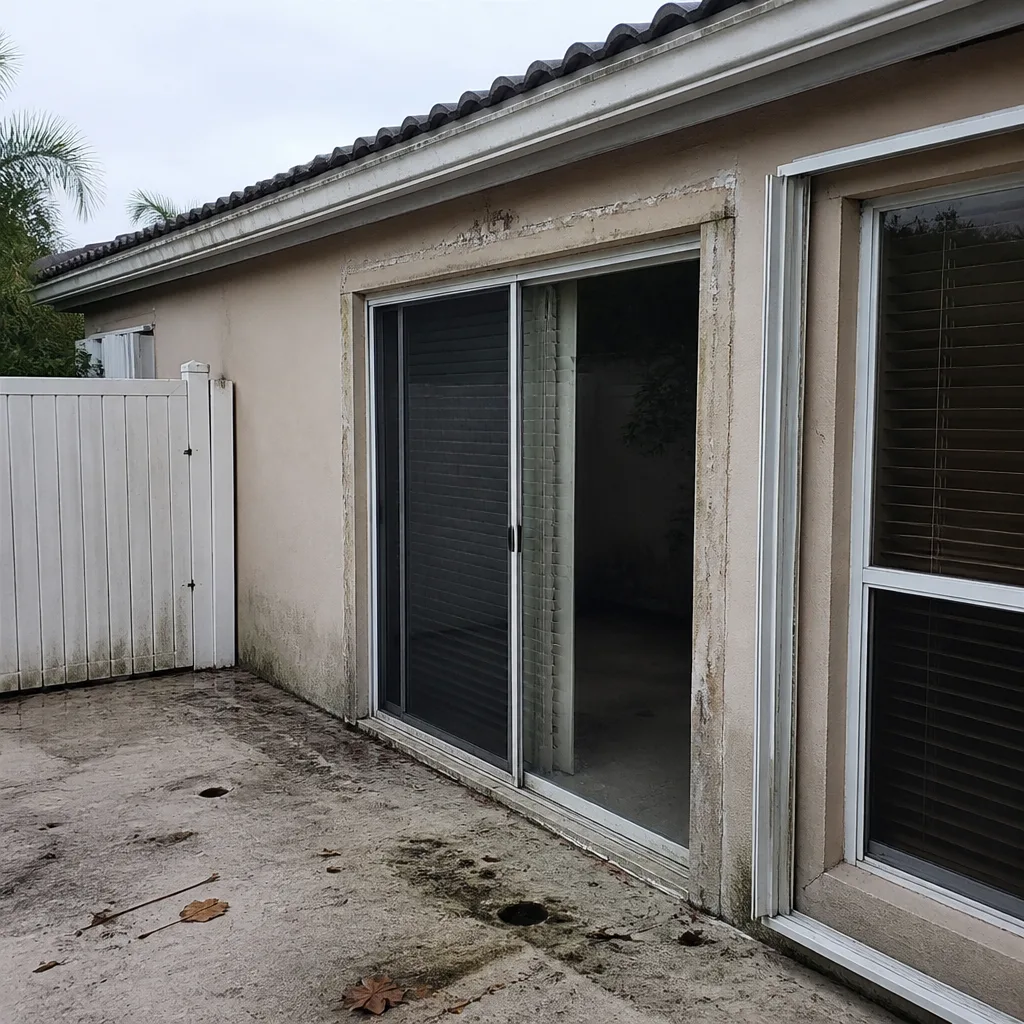 Before
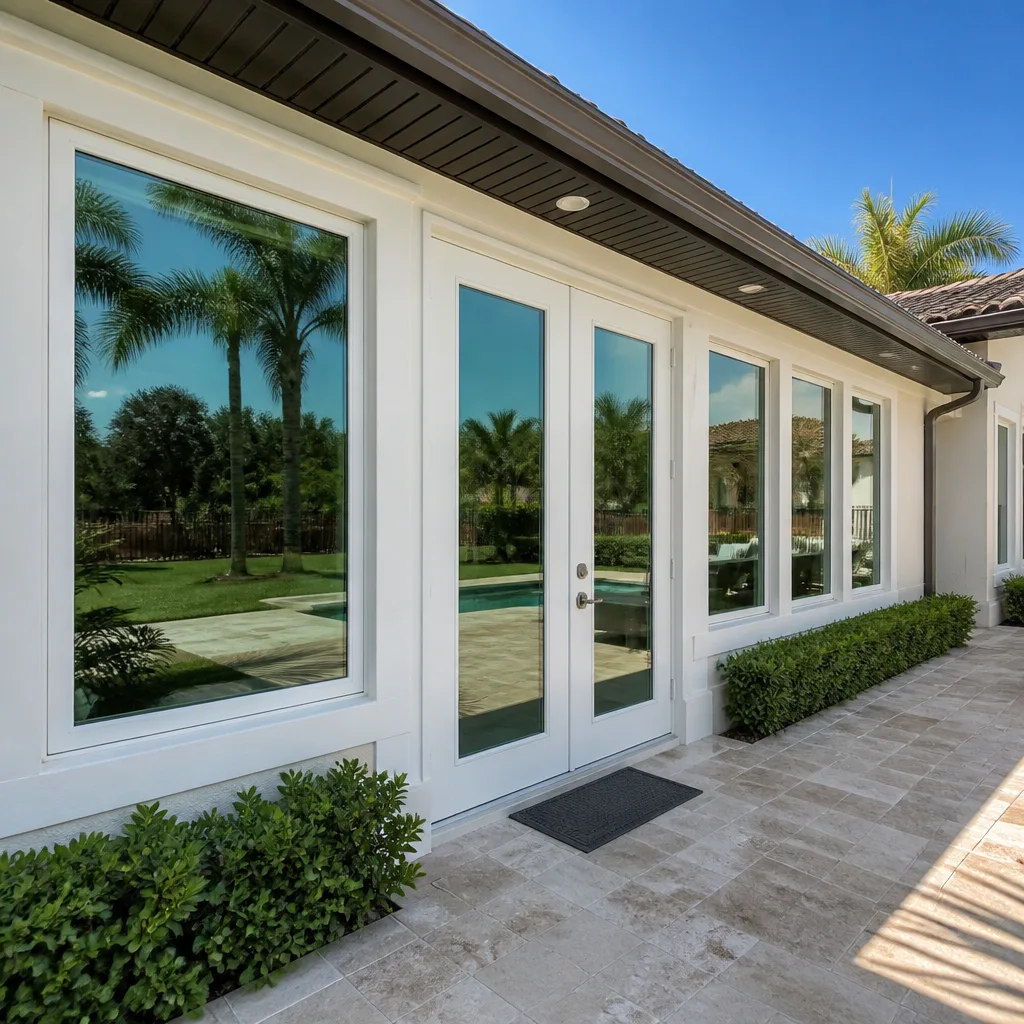 After
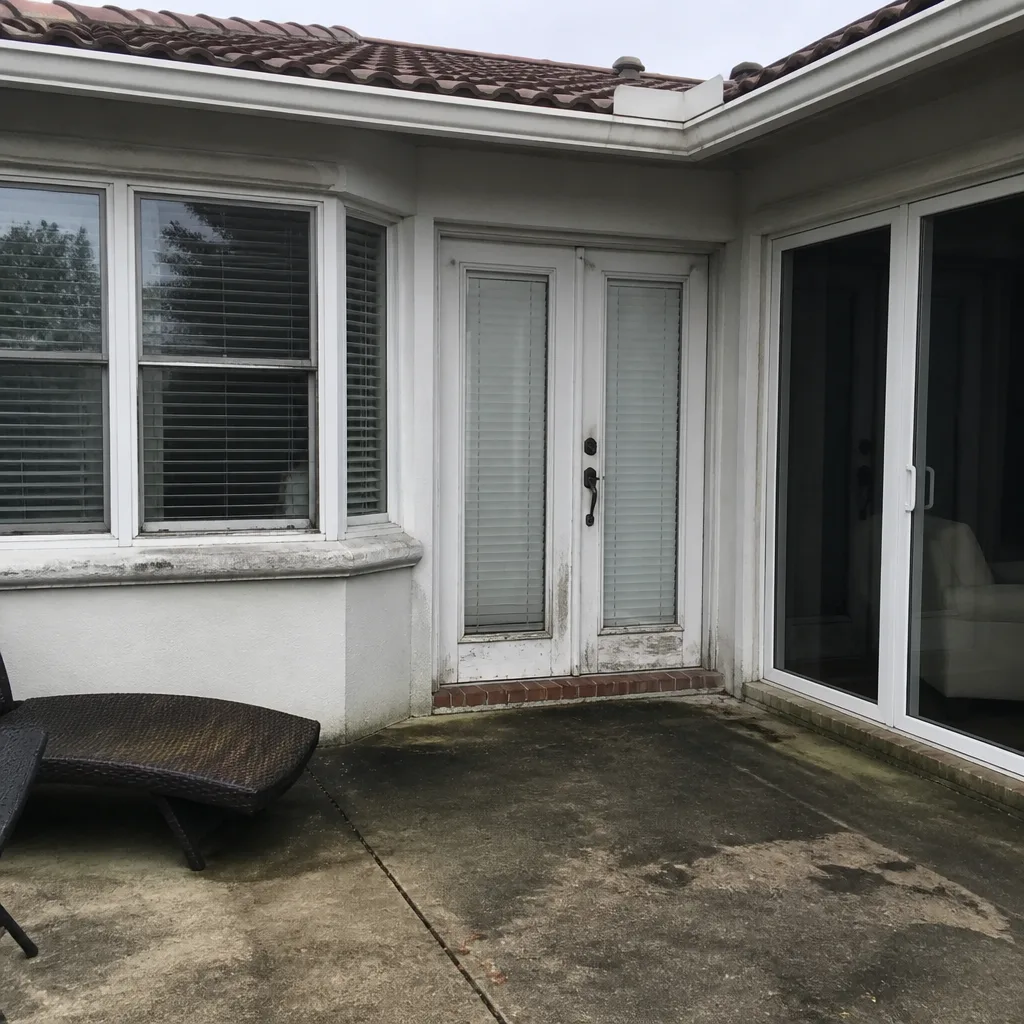 Before
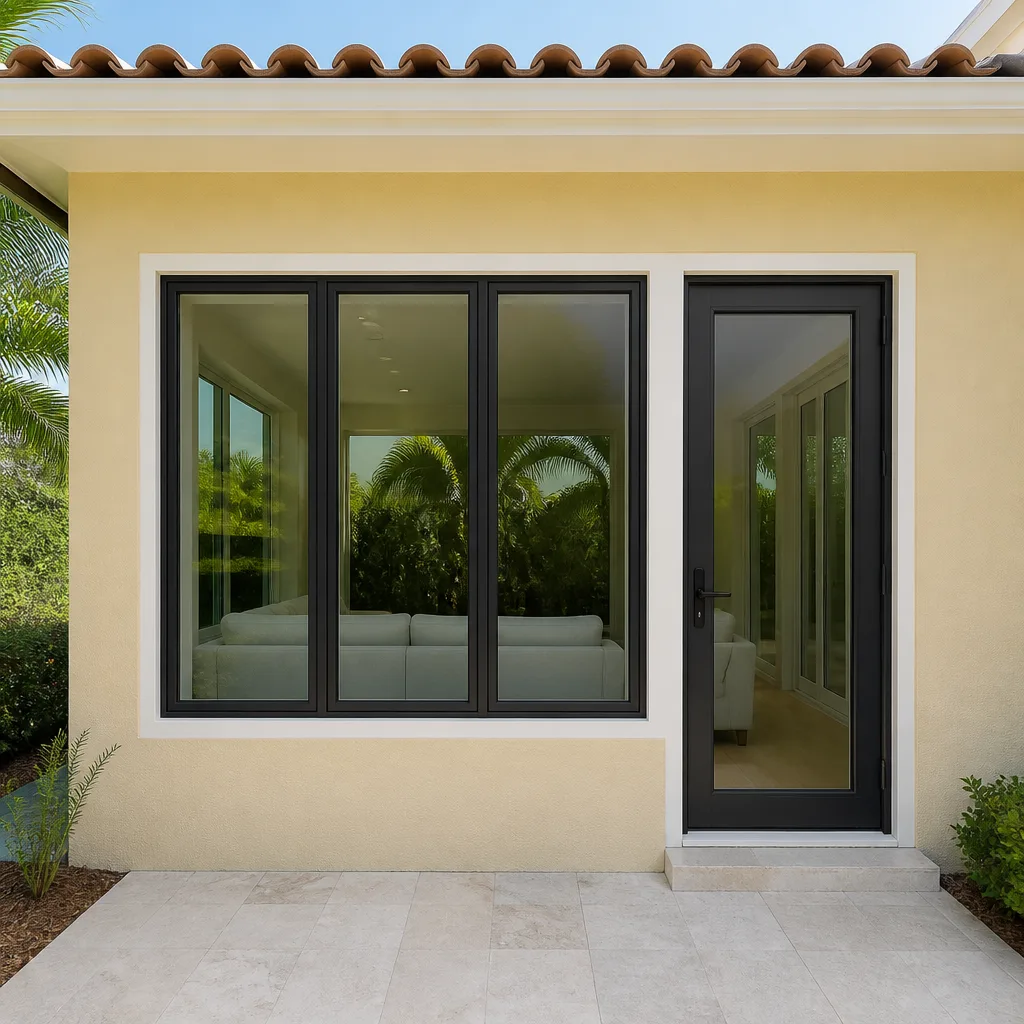 After
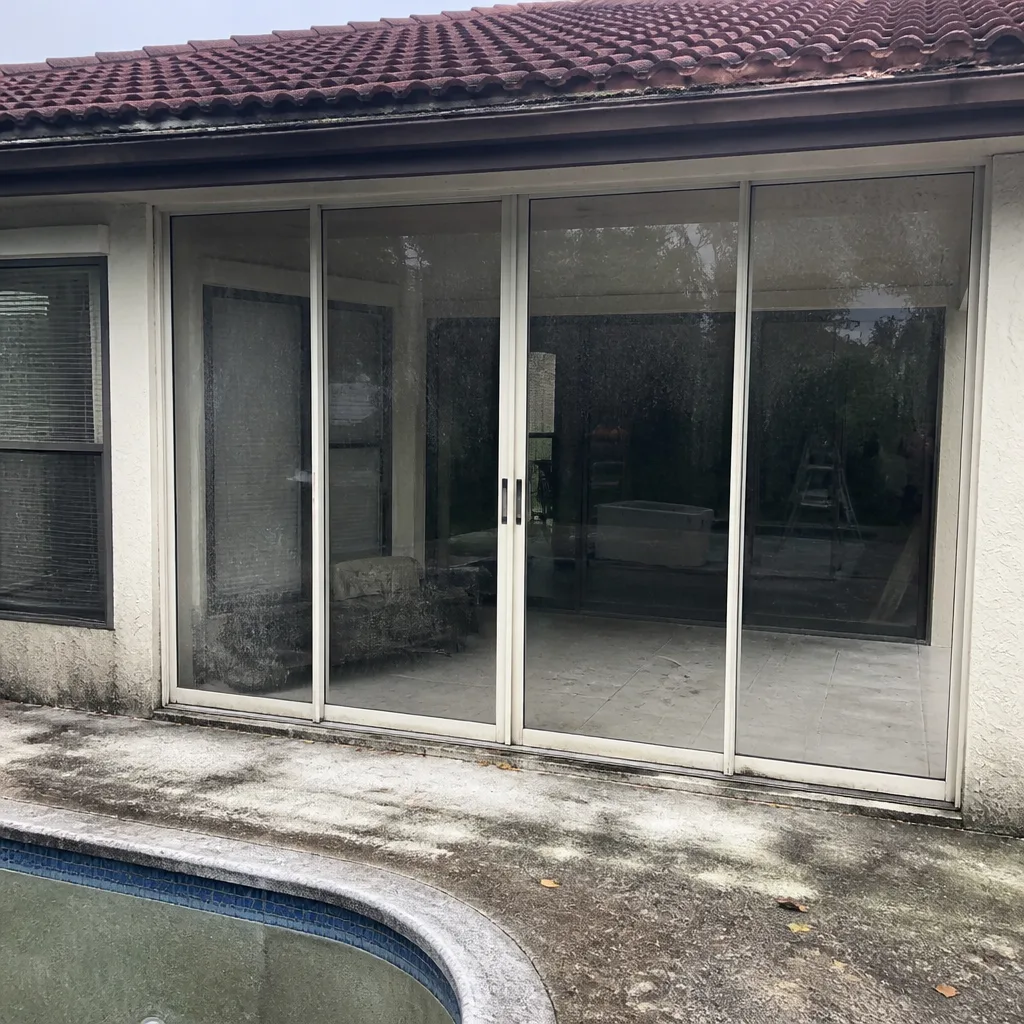 Before
 After
What Is Low-E Glass? A Straight Answer for Boynton Beach Homes
Low-E glass is window glass coated with a microscopically thin, transparent layer of metallic oxide that reflects heat while letting light pass through. In Boynton Beach, that coating works year-round: it blocks the sun’s solar heat from entering your home during our long cooling season, and it reflects your air-conditioned interior heat back inside where it belongs. The practical result is lower monthly cooling bills, less fading on furniture and flooring, and windows that pass today’s Florida Building Code energy requirements without making rooms feel like a cave. If you’d like us to explain it over the phone or at your kitchen table, call TruePane Windows & Doors at (561) 708-6771.
What Low-E Glass Actually Does in a Coastal Florida Climate
Most people hear “low-E” and file it under marketing jargon. It’s not. It’s a coating that changes how glass performs, and in a place like Boynton Beach, the difference shows up on your first summer electric bill and on how often you reach for the blinds.
The coating works like this: solar energy travels as waves across a spectrum, from visible light to invisible infrared heat. Low-E coatings are engineered to let the visible light through while bouncing the infrared portion back outside. That’s the entire trick. You get a bright room without the heat load that turns a west-facing bedroom into an oven by 4:00 p.m. in July.
There are two basic types of low-E coatings, and which one matters depends on your house and where the window faces:
- Passive low-E (sometimes called hard coat) is applied during the glass manufacturing process when the glass is still hot. It’s baked in, durable enough to be used on a single pane, and leans toward letting solar heat in. In colder climates, that’s a feature. In Boynton Beach, it’s usually the wrong call on east- and west-facing walls.
- Solar-control low-E (often called soft coat or sputtered) is applied after the glass cools, in a vacuum chamber. It’s more effective at blocking solar heat, which is exactly what a Boynton Beach homeowner wants. Most quality replacement windows sold in South Florida use this type, often combined with argon gas fill between double panes.
We carry and install both types, but for every home we’ve worked in across Boynton Beach, the conversation almost always lands on solar-control low-E. The climate doesn’t give you much choice. What we do give you is the same conversation we have with homeowners in our office: a side-by-side quote on paper showing exactly which glass package each manufacturer line includes, so you’re not guessing what the word “low-E” means on a quote.
How to Read a Low-E Window Label Without Getting Fooled
When you’re comparing windows, the glass spec sheet matters more than the brochure. The numbers to look at are U-factor and Solar Heat Gain Coefficient, usually printed as SHGC. A lower U-factor means the window resists heat transfer better. A lower SHGC means it blocks more solar heat from getting through. For a Boynton Beach home, you want both numbers low, and you want them on paper.
Here’s what a typical comparison looks like in this market:
| Glass Package | U-Factor | SHGC | What It Feels Like in Boynton Beach |
|---|---|---|---|
| Single-pane clear aluminum frame (1960s-80s original) | 1.10-1.25 | 0.75-0.85 | Rooms heat up fast, window frames sweat, blinds shut by noon. |
| Double-pane clear, no low-E | 0.48-0.55 | 0.65-0.75 | Better, but still heavy heat gain on south and west walls. |
| Double-pane with solar-control low-E + argon | 0.28-0.32 | 0.22-0.28 | Noticeably cooler interior, blinds stay open longer, lower AC runtime. |
| Impact-rated double-pane with low-E (PGT, CGI, or CWS lines) | 0.28-0.33 | 0.20-0.27 | Cooler, quieter, and compliant with Palm Beach County wind-borne debris code. |
One thing this table can’t show is what low-E does to furniture and flooring. That coating cuts the UV portion of sunlight by a meaningful margin too, which means upholstery, wood floors, and window treatments in a Boynton Beach living room last longer before they bleach out. It’s the same reason Dale Kessler points to the coating when customers in the energy-efficient window line ask why their new windows feel different from the old single panes: it’s not the frame doing the work. It’s the coating.
Here’s the part most homeowners don’t know: low-E is a coating, not the whole package. A low-E coating on a single pane of glass in an old aluminum frame will still underperform. The frame conducts heat, and a single pane has no insulating air space. In salt-heavy air like Boynton Beach’s, those old aluminum frames also oxidize and lose their seal, which is when you start seeing condensation between panes, fogged glass, and rising humidity indoors. The low-E coating can only do its job if the frame, the seal, and the installation are all done right. That’s the part we refuse to cut corners on: Energy-Efficient Windows are only as good as the rough opening they’re set into, and we measure every opening twice before ordering anything.
What This Means for Older Boynton Beach Homes
Boynton Beach is full of CBS construction from the early 1960s through the early 1990s. In the age-restricted communities along the Intracoastal corridor, including Leisureville, we still regularly see the original horizontal sliders and jalousie windows that went in when the houses were platted. Those windows were not built for low-E. They were built for a time when air conditioning was cheap and building codes didn’t talk about solar heat gain.
That’s why so many of our service calls in Boynton Beach start with a homeowner holding a letter from their insurance company, not with a decorating idea. Florida’s property insurance market has gotten stricter about wind mitigation, and an inspector marking “no opening protection” on a jalousie window can wipe out a wind mitigation discount on the whole policy. When we hear that story, we explain the glass options plain and simple, with the manufacturer’s glass package down on paper. We quote PGT, CGI, and CWS lines side by side. We register both warranty layers in writing before we leave the driveway, durations stated. If the pane is not true, the job is not done.
Key Takeaways on Low-E Glass in Boynton Beach
- Low-E is a metallic oxide coating that bounces solar heat back outside while letting visible light in.
- Solar-control low-E is the right choice for almost every Boynton Beach home, given our cooling season runs most of the year.
- Low-E only performs when paired with a quality frame, a proper seal, and a correct installation.
- In Boynton Beach’s older retirement communities, replacing original single-pane sliders and jalousies with low-E impact units often solves both an energy problem and an insurance problem at once.
- Every TruePane quote gives you the glass spec sheet on paper, with warranty layers registered in writing before the job is done.
Frequently Asked Questions
Yes, and for this climate it’s not a luxury add-on, it’s the baseline for a window that performs. We tell Boynton Beach homeowners to think of it as the difference between running their AC against the sun or working with it.
In Boynton Beach, choosing a double-pane impact window with solar-control low-E typically runs a few hundred dollars more per opening than a clear glass package, though the exact number depends on size and manufacturer line. The energy savings and the insurance eligibility usually cover that difference over time, and we give free estimates at (561) 708-6771 so you can see the numbers before deciding.
No. A low-E coating is applied during the glass manufacturing process, not retrofitted on-site. If your windows are otherwise solid, sometimes a glass replacement is possible, but most Boynton Beach homes we see need the full unit replaced because the frame and seal are just as old as the glass.
Not by itself. Low-E is an energy coating, not an impact rating. For wind-borne debris protection in Palm Beach County, you need impact-rated glass or shutters that meet Florida Building Code large-missile standards. The good news is that many impact-rated windows from PGT, CGI, and CWS include low-E glass as part of the package, so you can solve both problems with one installation. If you’d rather have it looked at, TruePane Windows & Doors offers a no-pressure assessment in Boynton Beach, call (561) 708-6771.
Written by Dale Kessler, Owner, TruePane Windows & Doors at TruePane Windows & Doors, serving Boynton Beach, FL.
Six Reasons Homeowners Choose TruePane Windows & Doors
Impact systems engineered to design pressures up to +/-100, matched to your wind zone - your openings hold when the storm arrives.
Low-E insulated impact glass from our manufacturer lines commonly cuts monthly cooling bills 20-30%.
Laminated impact glass shuts out up to 40% of outside noise - traffic, neighbors, weather.
Monitoring services run $30-90 a month. Laminated impact glass resists forced entry around the clock, with no subscription.
Florida homeowners average around 25% savings on the windstorm portion of their policy after protecting every opening - some homes qualify for more.
A full impact package upgrades curb appeal, buyer confidence and appraised value in one project.