
Free in-home measure and quote - PGT, CGI and CWS impact lines compared on your actual openings, style by style
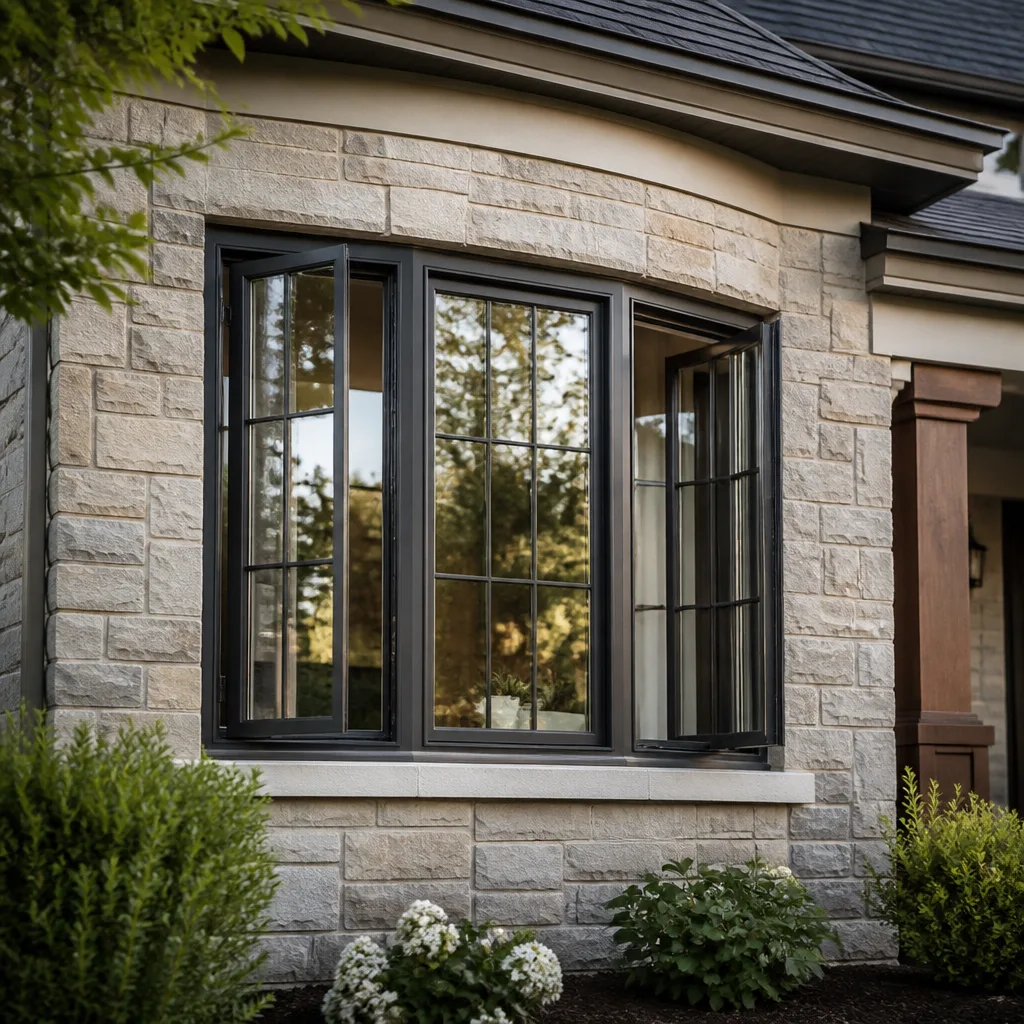
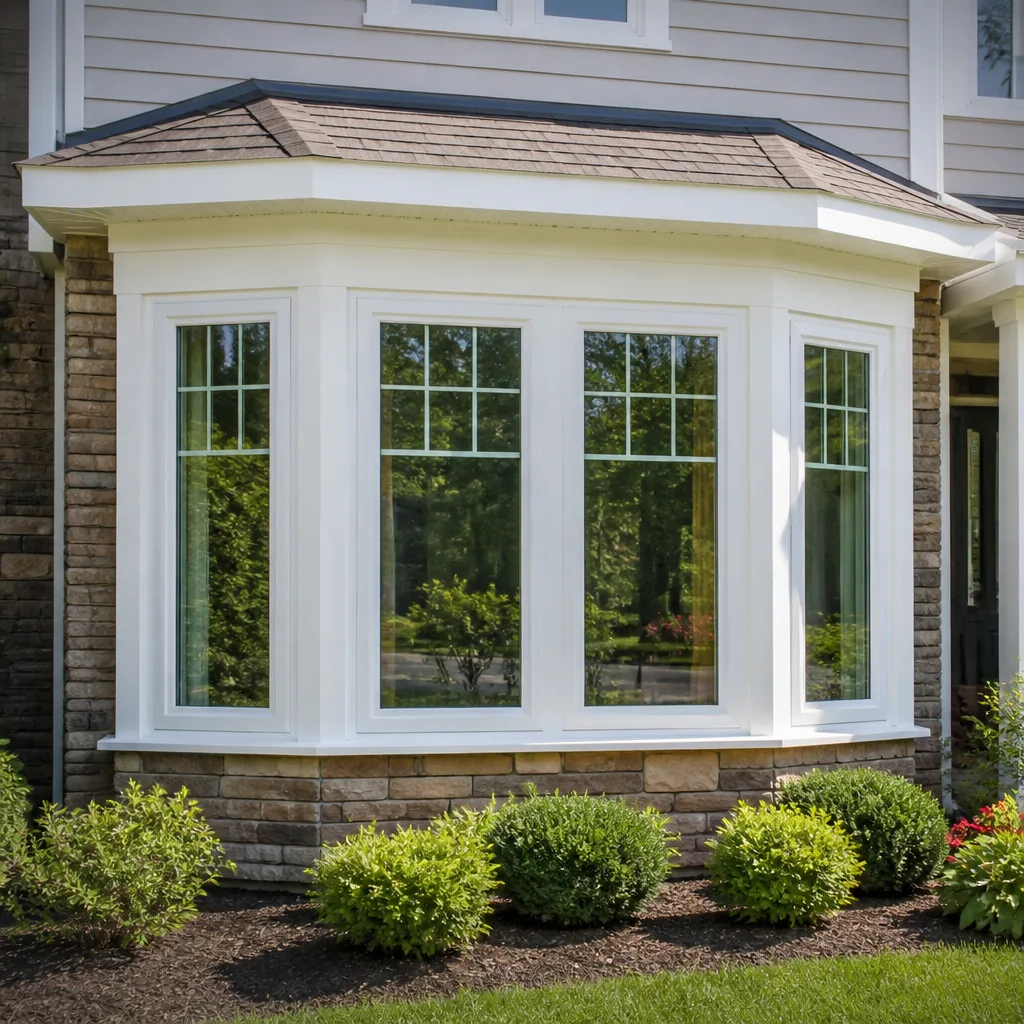
Sliding glass doors
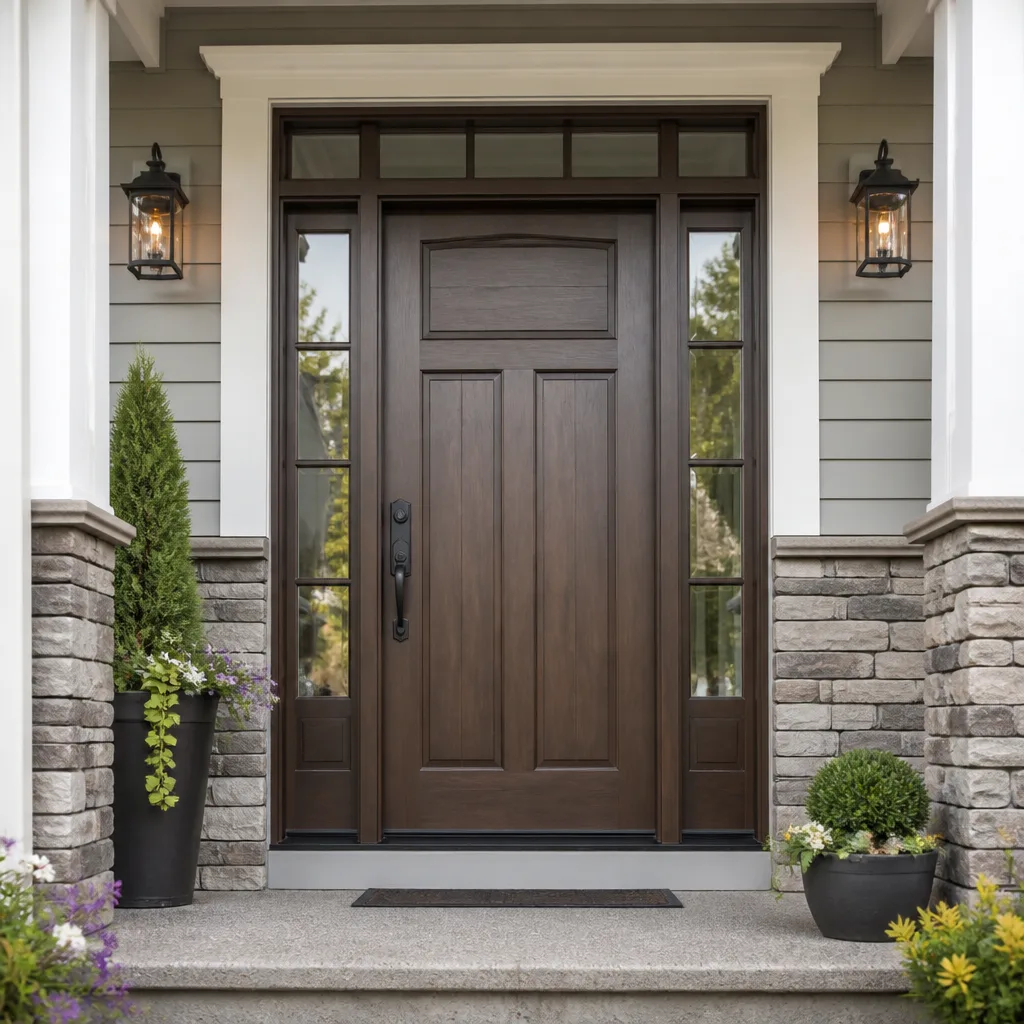
Impact garage doorsPGTCGI
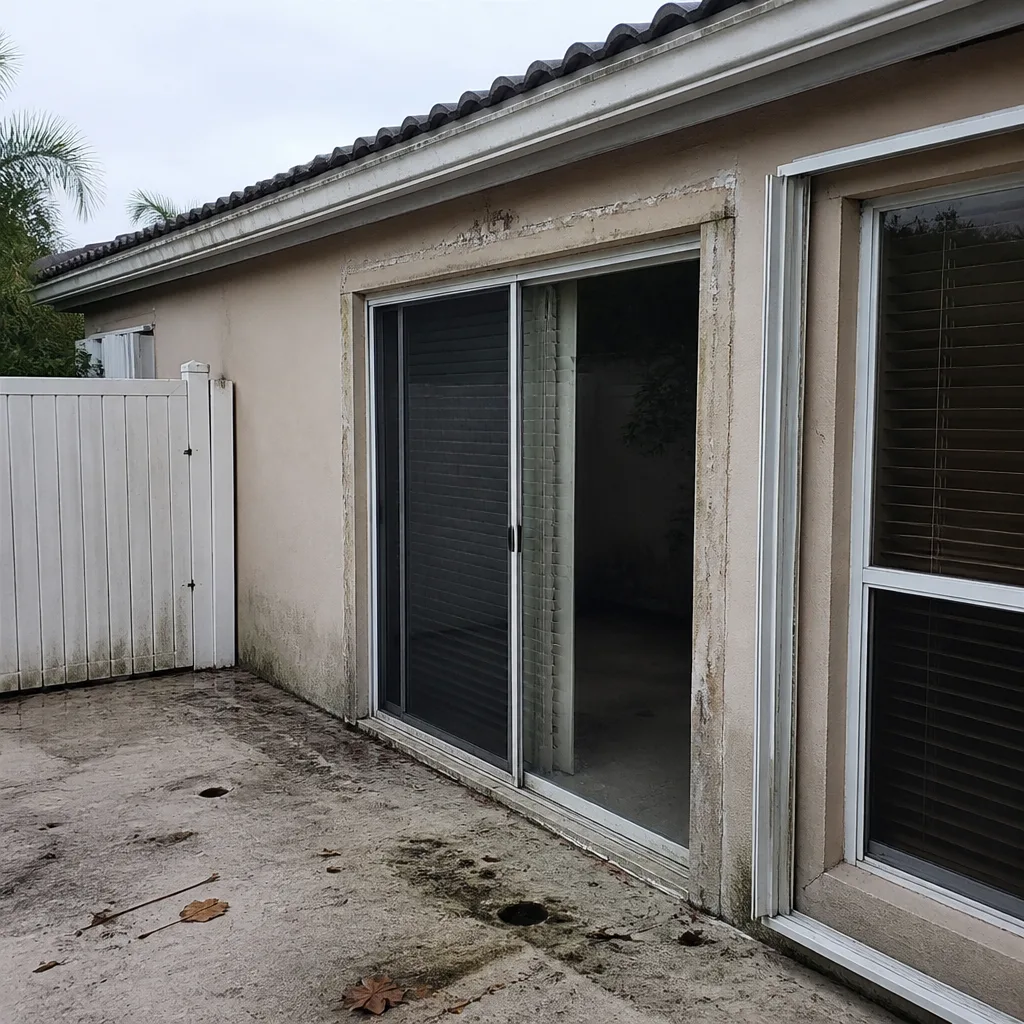 Before
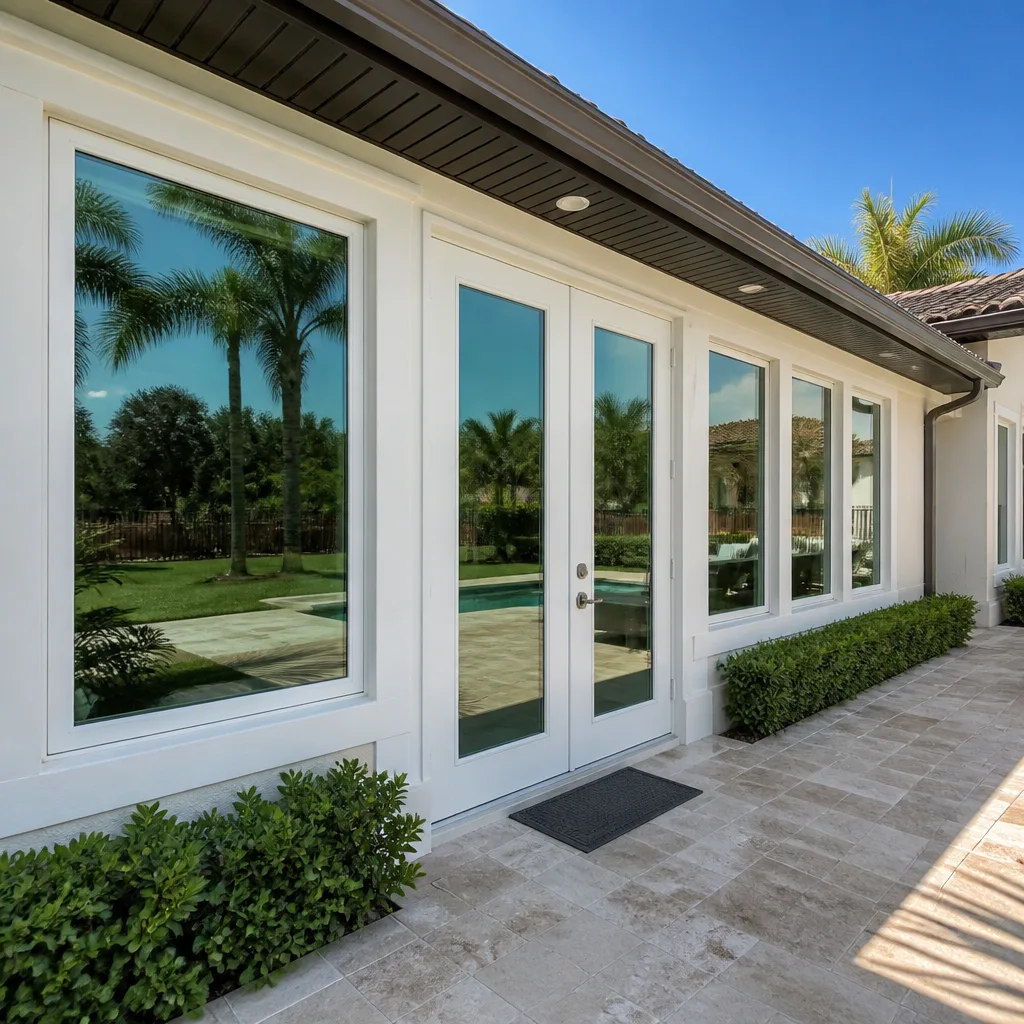 After
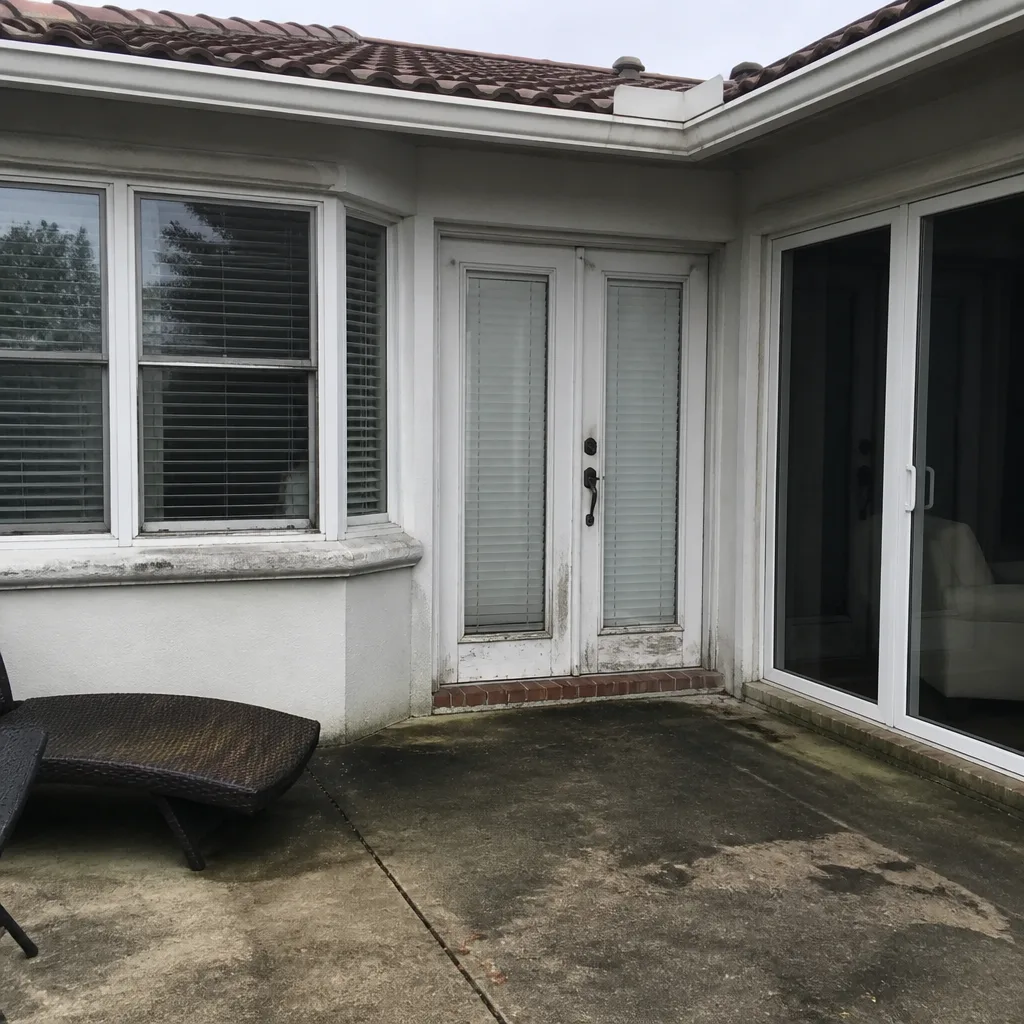 Before
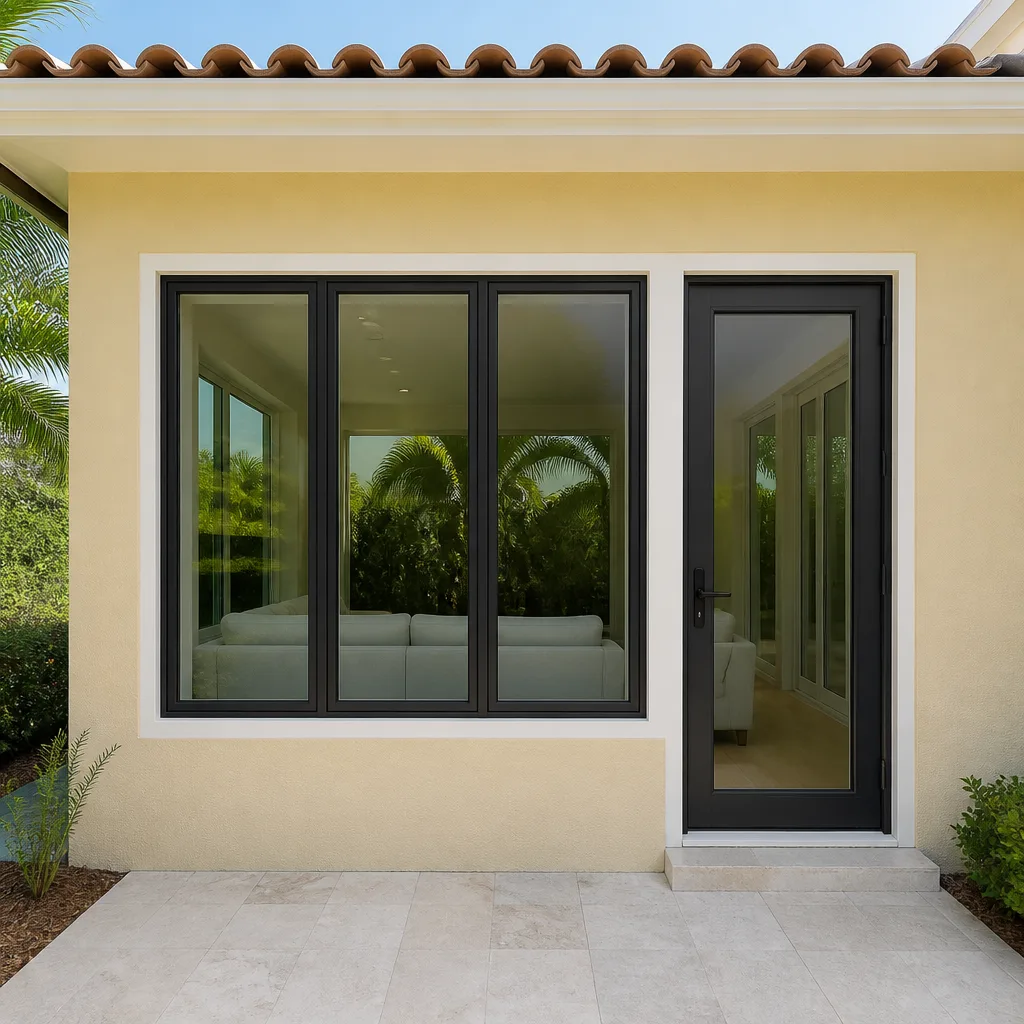 After
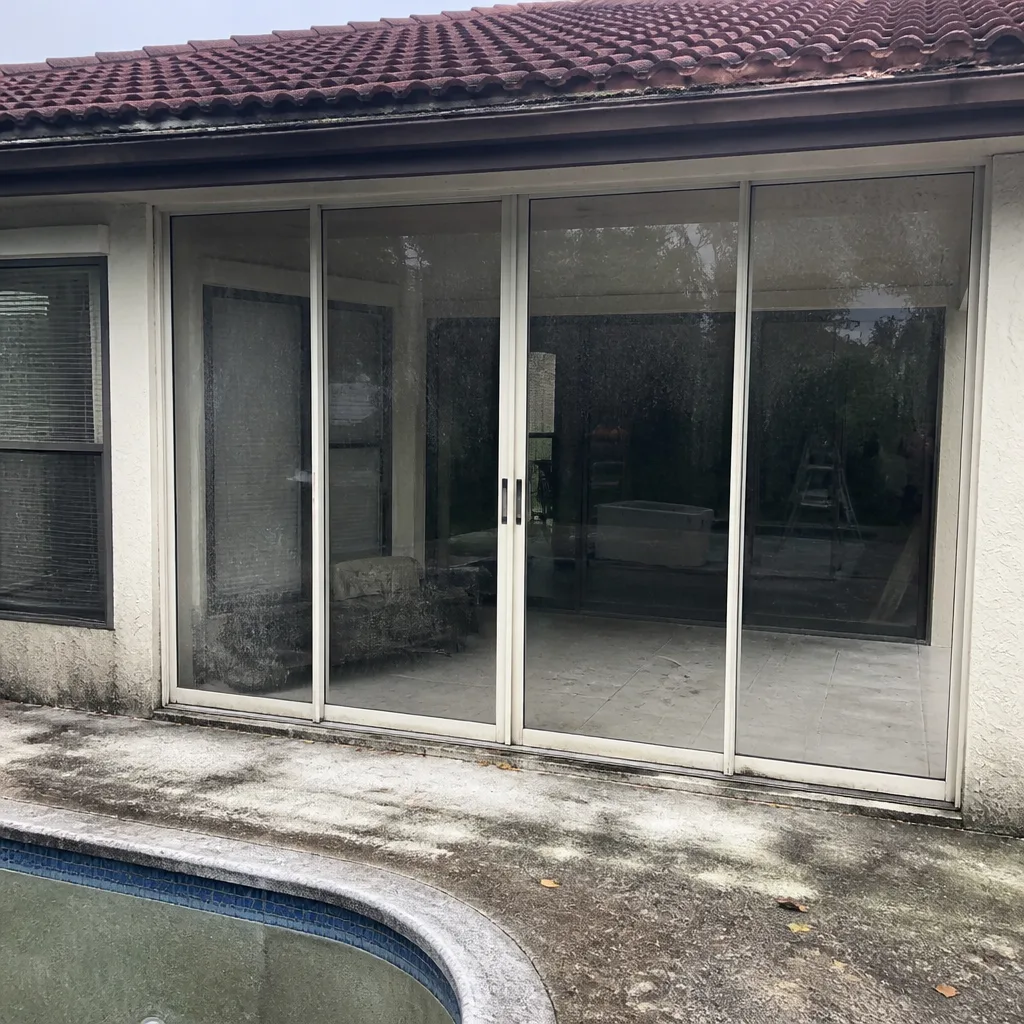 Before
 After
What a Miami-Dade NOA Means for Your Boynton Beach Windows and Doors
A Miami-Dade NOA (Notice of Acceptance) is a certification proving a window, door, or building component has passed Florida’s strictest impact and structural testing standards, specifically those established by Miami-Dade County. In practical terms for Boynton Beach homeowners, an NOA number is the paperwork that tells your insurance company and wind mitigation inspector that a product has been validated for use in high-wind, wind-borne debris regions like Palm Beach County. If you’re replacing windows or doors on an older CBS home in Leisureville or the Meadows, the NOA is the document you’ll need on file before your insurer will sign off on opening protection credits. Call (561) 708-6771 if you’d like help sorting out which NOA applies to your project.
Why the NOA Comes Up Before Any Window Gets Ordered
Most people first hear “NOA” from their insurance agent or a wind mitigation inspector, usually after a policy non-renewal letter lands in the mail. The reason Boynton Beach generates so many of these conversations is simple: the city holds one of the densest concentrations of 55-and-older retirement communities in Palm Beach County, and those communities are full of original single-pane aluminum sliders and jalousie windows from the 1960s through 1980s. Those products predate today’s testing requirements and have no NOA of their own, which means they fail modern wind mitigation inspections on sight.
The NOA is not a generic “hurricane rated” label. It’s a specific document issued by Miami-Dade County’s Product Control Division that lists the exact product line, sizes tested, and pressure ratings. A window can carry an impact-rating sticker from the manufacturer and still not have a valid Florida NOA. Insurers and inspectors in Boynton Beach check for the NOA specifically because Palm Beach County sits inside the wind-borne debris region, where anything less than large-missile compliance doesn’t count as protection.
What an NOA Does for You, Practically Speaking
Here’s the short version of why the NOA matters when you’re dealing with insurance in Boynton Beach:
- It’s your opening protection proof. Florida’s wind mitigation form OIR-B1-1802 asks whether glazed openings are protected. There’s no separate box for NOA, but the product verification number is what inspectors use to confirm your new impact windows actually qualify for the discount.
- It keeps a single flagged opening from collapsing your premium credits. In Leisureville and similar age-restricted communities, we regularly see one louvered jalousie window still in service wipe out the entire wind mitigation discount on a house. If the product has no NOA, the inspector marks it unprotected, and the math goes sideways fast.
- It gives your insurer something to verify. Insurance carriers don’t accept a contractor’s word. They want a product control number they can look up against the Miami-Dade database. An NOA is exactly that: a registry number, not a promise.
Why Boynton Beach’s Housing Stock Makes This More Complicated Than It Sounds
Most of Boynton Beach west of I-95 and east of the Turnpike is CBS construction, concrete block and stucco, built between the early 1960s and early 1990s. Those homes were platted in large age-restricted communities with rough openings that do not match today’s standard unit sizes. What that means in plain terms: you can’t always pull an off-the-shelf impact window from a supply house and drop it in. You often need a custom-sized unit, and every custom unit has to be verified against the manufacturer’s NOA for the exact dimensions you’re ordering.
This is where a lot of homeowners run into trouble. They buy a product with a valid NOA for a 36-by-60 opening, then discover their actual rough opening is 35-and-three-quarters by 59-and-a-half. That three-quarter-inch difference matters. The NOA covers the tested sizes, not an arbitrary range. If the opening doesn’t match what’s on the NOA, the product doesn’t have approval in the eyes of Miami-Dade or your insurance carrier.
Salt air adds another layer. Boynton Beach’s Atlantic-facing position means the aluminum frames in this older stock corrode faster than the glass fails. By the time we’re called out to the Meadows or down Military Trail, the diagnosis is frequently frame-level oxidation rather than a cracked pane. Replacing a sash only makes sense if you’re replacing against a frame that’s still structurally sound enough to meet the original product’s anchoring. If the frame is compromised, the existing NOA no longer tells the whole story, because the tested assembly included that frame.
What We Actually Check When an NOA Question Comes Up
Dale Kessler grew up off Lawrence Road here in the Meadows, and he learned the trade at Palm Beach State College before spending the better part of two decades setting frames across Palm Beach County. When someone in Boynton Beach asks us whether their windows meet the NOA standard, we start with the same three questions a thorough inspector would ask:
- Is there an existing label or product approval sticker on the frame? If so, we pull the number and check it against the Miami-Dade Product Control database. If not, we’re looking at an unprotected opening, full stop.
- Does the product’s NOA cover the specific size and configuration you have? A NOA for a single-hung doesn’t transfer to your horizontal slider, and it doesn’t stretch to cover a size that was never tested.
- Is the anchoring and installation consistent with what the NOA’s test assumed? This is the one everyone forgets. A valid NOA for a product installed with the wrong fastener pattern isn’t worth the paper it’s printed on. The testing assumes a specific anchoring method, and your inspector can flag it if the installation deviated.
The brands we spec most often in Boynton Beach, including PGT, CGI, and CWS, all maintain current Miami-Dade NOA listings for their impact lines. That’s part of why we quote them side by side on paper. You should be able to see the product approval number next to the price before you agree to anything. If it’s not in writing, it’s not a guarantee, it’s a conversation.
What a Typical NOA-Compliant Replacement Runs in Boynton Beach
Pricing varies with the opening, the product line, and the condition of the existing frame, but here’s what we’re currently seeing on insurance-driven replacements in the retirement communities around Leisureville and the Meadows:
| Opening Type | Typical Range (Product Only) | Typical Range (Installed) |
|---|---|---|
| Standard single impact window with NOA | $450 – $750 | $850 – $1,300 |
| Custom-size impact window (non-standard rough opening) | $650 – $1,100 | $1,200 – $1,900 |
| Impact sliding glass door with NOA | $1,800 – $3,000 | $3,200 – $5,500 |
| Full-house replacement (typical 6-10 openings, CBS construction) | $14,000 – $38,000 depending on custom sizes and product line | |
These are honest ranges for Boynton Beach’s 2025-2026 market, not a teaser rate. Custom rough openings in the older communities run higher because the unit has to be built to order and verified against the manufacturer’s NOA for that exact size. Standard openings in newer construction also tend to have better anchoring already in place, which reduces the install labor.
Common Local Scenarios We See on NOA Calls
The wind mitigation report that killed the discount
A homeowner in the Meadows has a house built in 1972. Original jalousie windows in the Florida room and single-pane aluminum sliders elsewhere. The wind mitigation inspector flags the jalousies as zero opening protection under form OIR-B1-1802, and the insurance company responds by dropping the policy. The homeowner isn’t shopping for aesthetics. They need a set of impact windows and doors with current NOA certifications that a new inspector will pass without comment. We close that house, register the warranty layers, and hand over the NOA numbers in the packet. That’s the job.
The well-meaning previous owner
Someone replaced the front windows a few years back with a brand we’ve never heard of, no labeling on the frames, no paperwork left behind. The homeowner calls because the insurer is asking for proof of protection and there is none. In that situation, we can’t retroactively bless an unknown product. We can quote a replacement with a product that carries a verifiable NOA, and frame it so the homeowner understands what they’re buying and why the paper matters.
The partially protected house
Some people get halfway through a replacement years ago and stopped when the money ran out. Now they’re living in a house where half the openings have impact glass and the other half still have old sliders. One unprotected opening on the wind mitigation form can offset a lot of the credit. We see this constantly in the age-restricted communities built in the 1970s and 1980s. Finishing the job is often the difference between keeping a policy and getting non-renewed.
FAQs
A Miami-Dade NOA and a Florida Product Approval are two separate certification systems, though many impact products sold in the state carry both. The NOA comes from Miami-Dade County’s Product Control Division, while Florida Product Approval comes from the state’s Building Commission. For Boynton Beach homeowners, what matters is that the product you install has either a valid Miami-Dade NOA or a Florida Product Approval number that your wind mitigation inspector and insurer will accept. Most products we install, including PGT and CGI lines, carry both. Call (561) 708-6771 and we’ll explain what to check on your specific product.
Look for an etched label or sticker on the frame, typically on the head or side jamb near the corner. It will list the manufacturer name, a product control number, and often the NOA or Florida Product Approval number directly. If there’s no label, or the label is painted over or corroded away, assume there’s no verifiable NOA and plan to replace if insurance is requiring it. Our Impact Windows & Doors in Boynton Beach team can check existing products against the Miami-Dade database during a visit.
An older window without an NOA, a valid Florida Product Approval, or a verified shutter system will not pass opening protection requirements on Palm Beach County wind mitigation inspections. Inspectors carry a checklist with no room for interpretation. A jalousie window, for example, scores zero protection regardless of condition. If you’ve been told your windows don’t count, the fix is replacement with an approved impact product, not a repair.
Replacing a single standard opening with an impact window that carries a valid NOA generally runs $850 to $1,300 installed in Boynton Beach, while custom-sized openings in the older CBS housing stock run higher. Full-house replacements on typical 1960s-to-1980s homes here range from $14,000 to $38,000 depending on the number of openings and product line. Those are honest ranges for this market. Call (561) 708-6771 for an exact quote on your specific house. Estimates are free, and we’ll hand you side-by-side pricing on paper.
If You’d Rather Have It Looked At
If you’ve got an insurance letter, a failed wind mitigation report, or just a set of windows you suspect won’t pass, TruePane Windows & Doors offers a no-pressure assessment in Boynton Beach. We’ll check what you have, tell you plainly whether it meets current NOA requirements, and quote a replacement path if it doesn’t. Call (561) 708-6771. A live person answers, any hour, any day.
For more on how we handle the full scope of window and door installations here in Palm Beach County, start at our home page or reach us directly at the number above.
Written by Dale Kessler, Owner, TruePane Windows & Doors at TruePane Windows & Doors, serving Boynton Beach, FL.
Six Reasons Homeowners Choose TruePane Windows & Doors
Impact systems engineered to design pressures up to +/-100, matched to your wind zone - your openings hold when the storm arrives.
Low-E insulated impact glass from our manufacturer lines commonly cuts monthly cooling bills 20-30%.
Laminated impact glass shuts out up to 40% of outside noise - traffic, neighbors, weather.
Monitoring services run $30-90 a month. Laminated impact glass resists forced entry around the clock, with no subscription.
Florida homeowners average around 25% savings on the windstorm portion of their policy after protecting every opening - some homes qualify for more.
A full impact package upgrades curb appeal, buyer confidence and appraised value in one project.