
Last updated August 25, 2026
Free in-home measure and quote - PGT, CGI and CWS impact lines compared on your actual openings, style by style
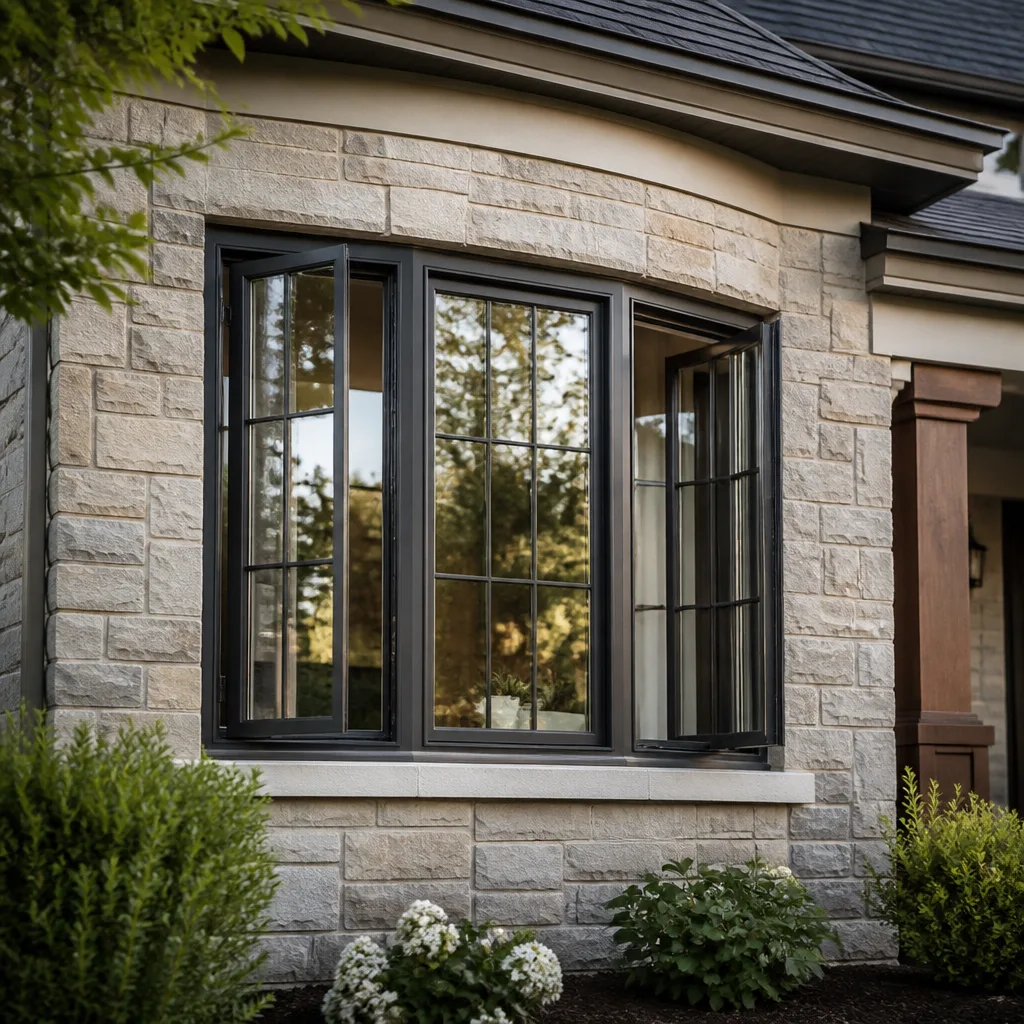
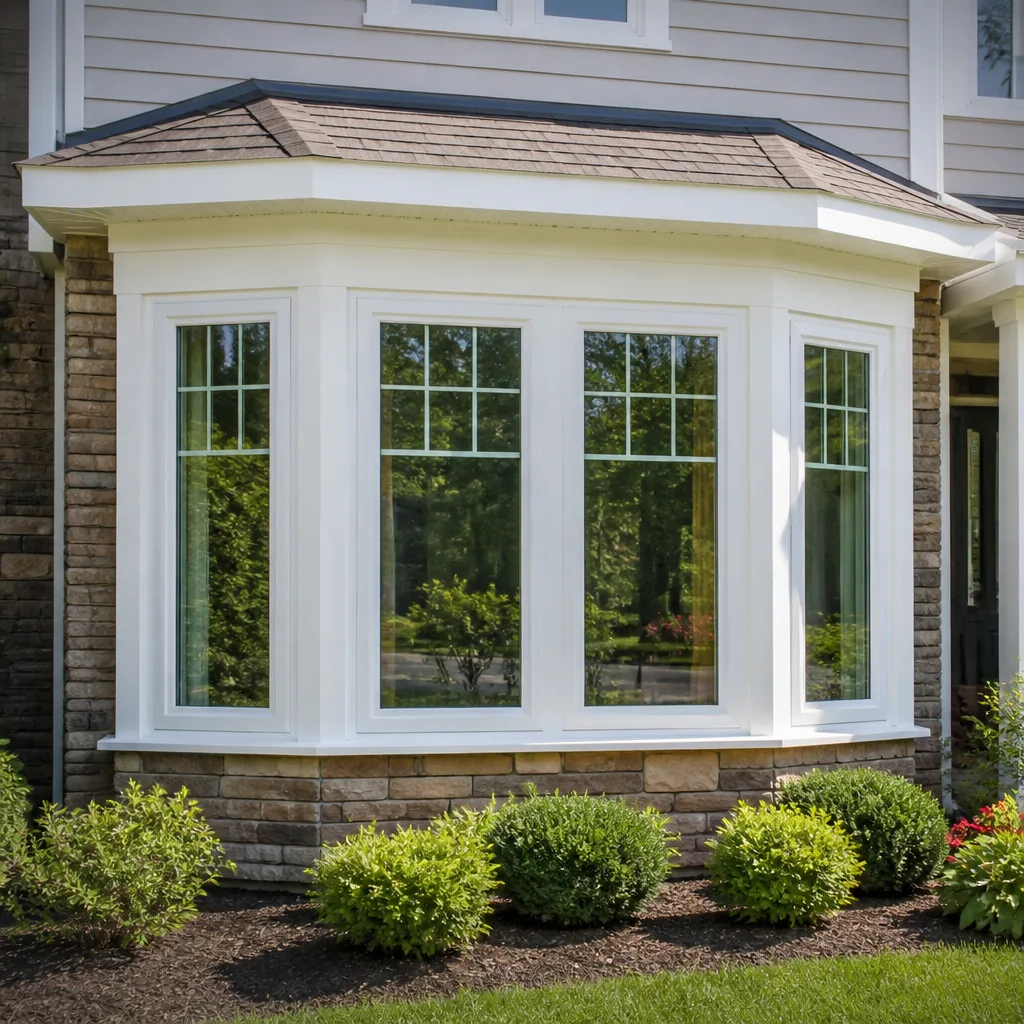
Sliding glass doors

Impact garage doorsPGTCGI
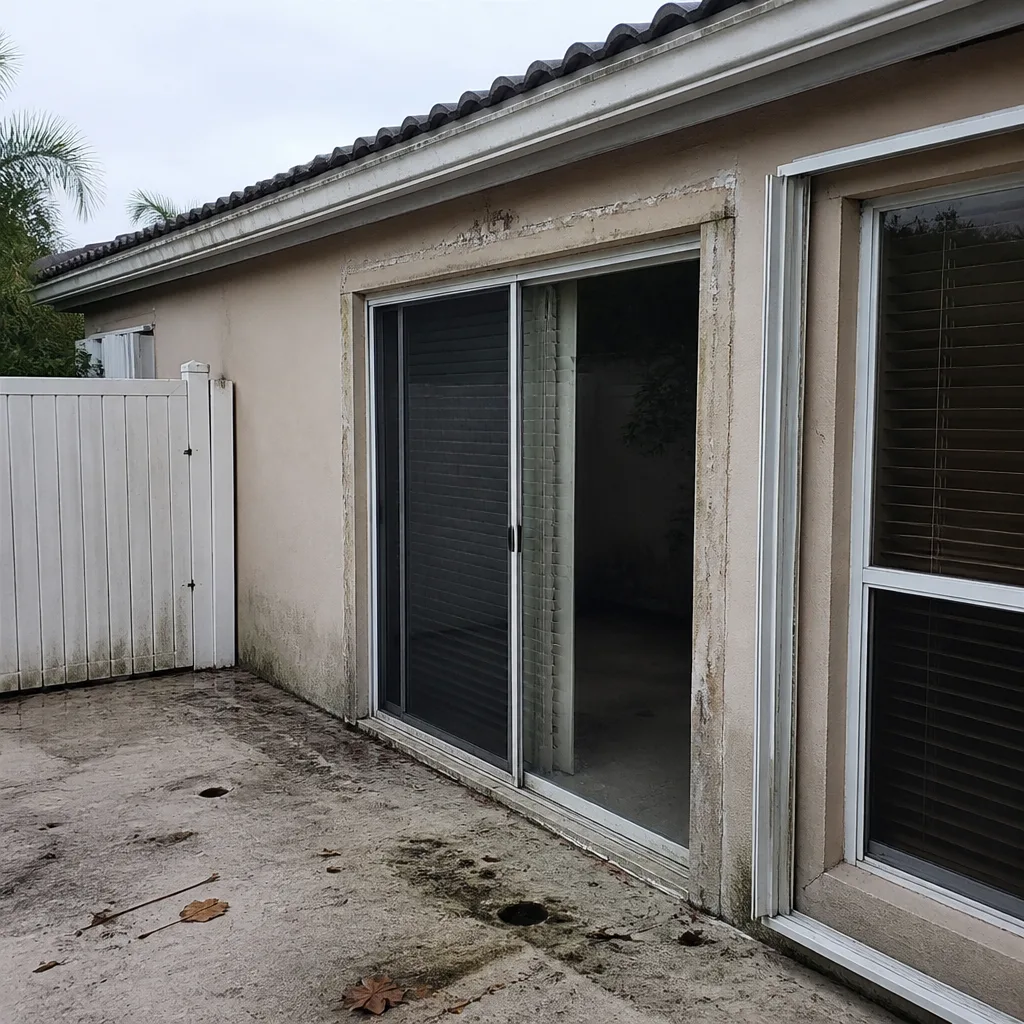 Before
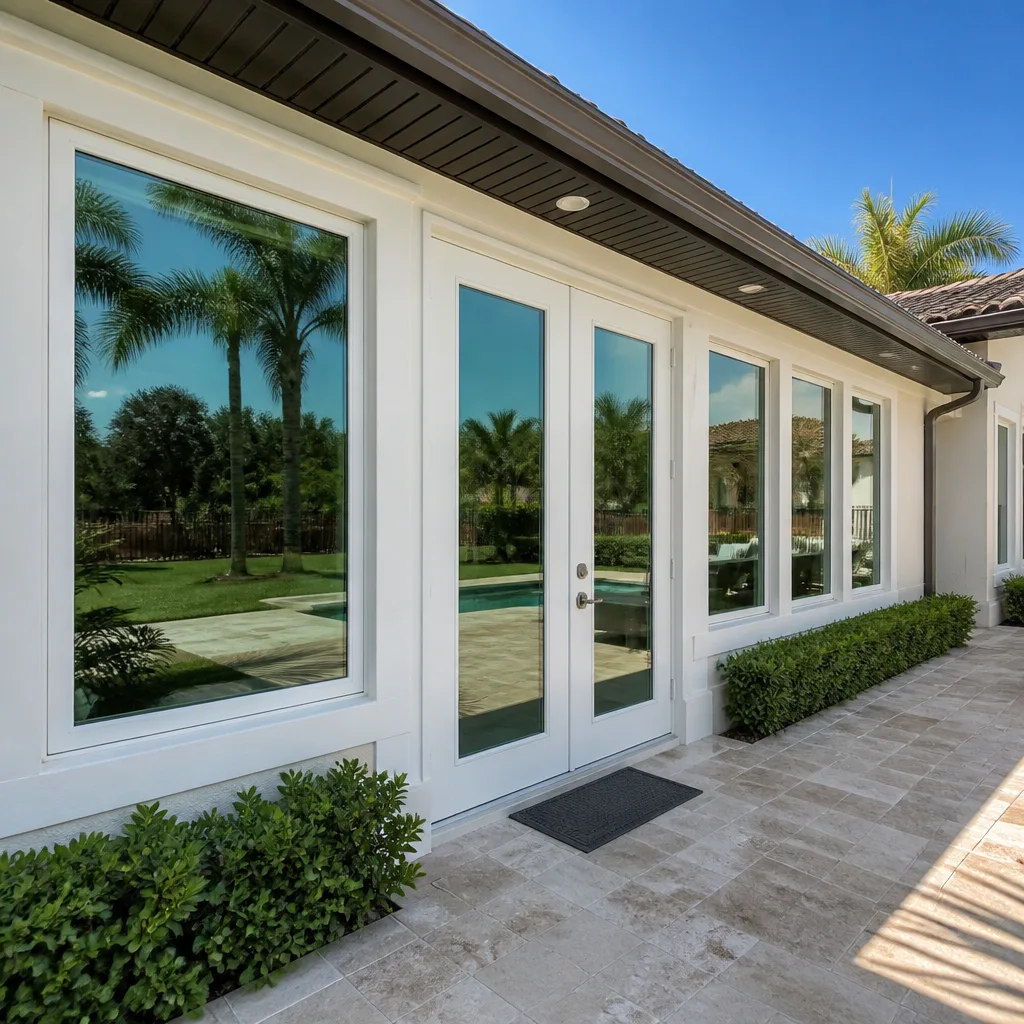 After
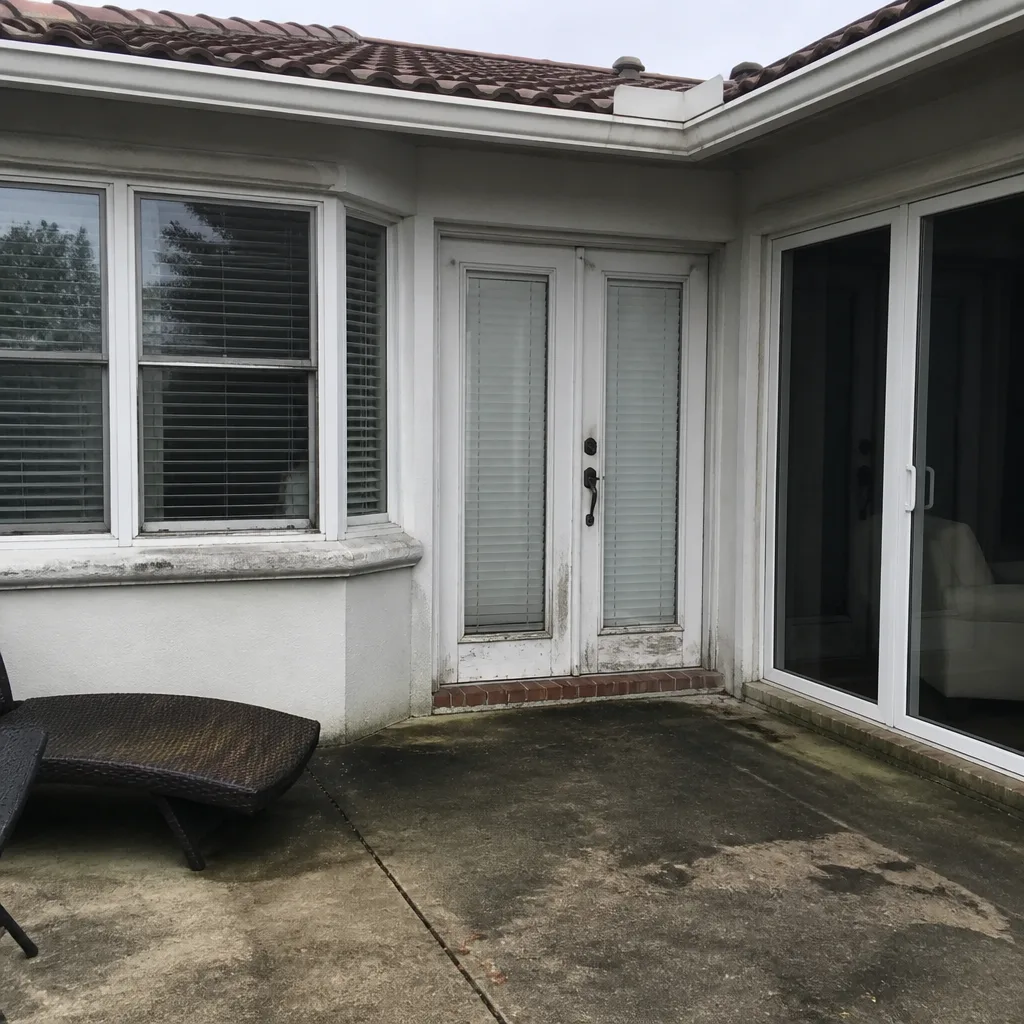 Before
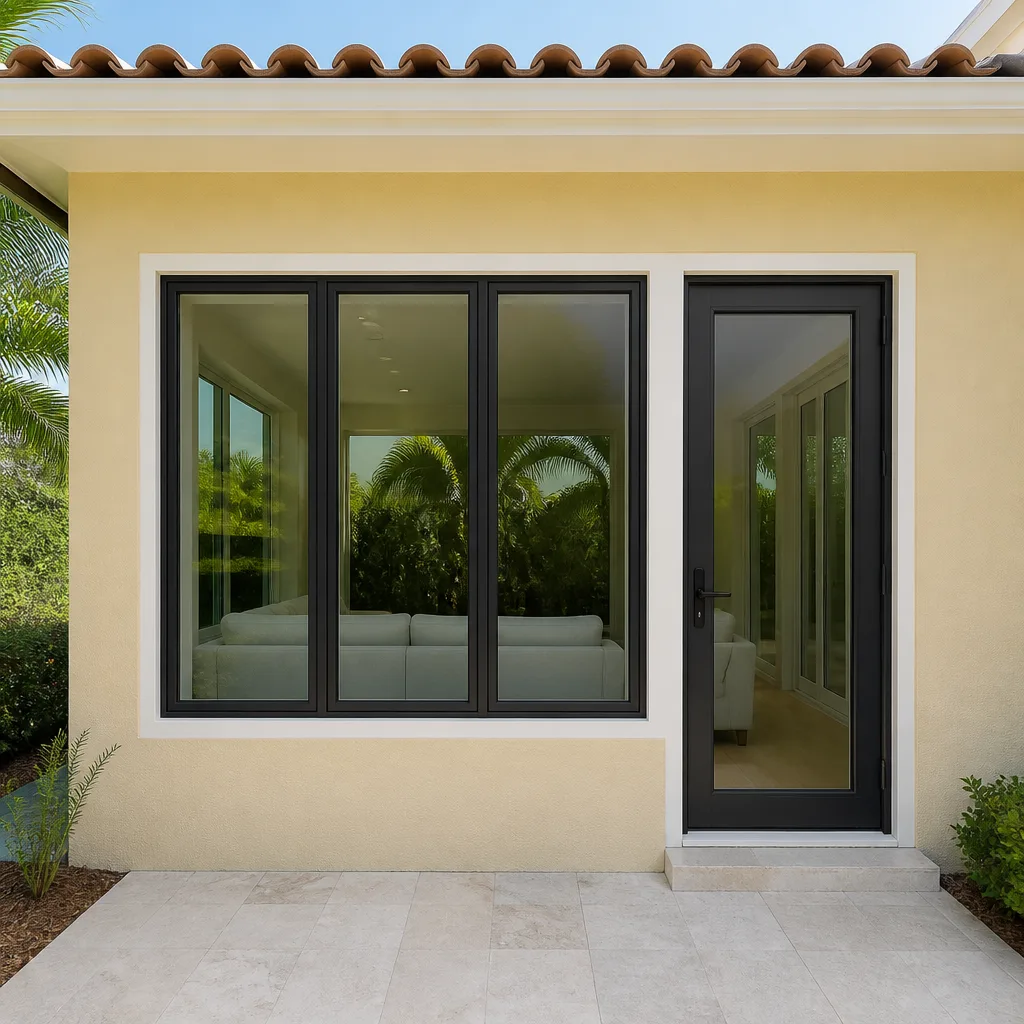 After
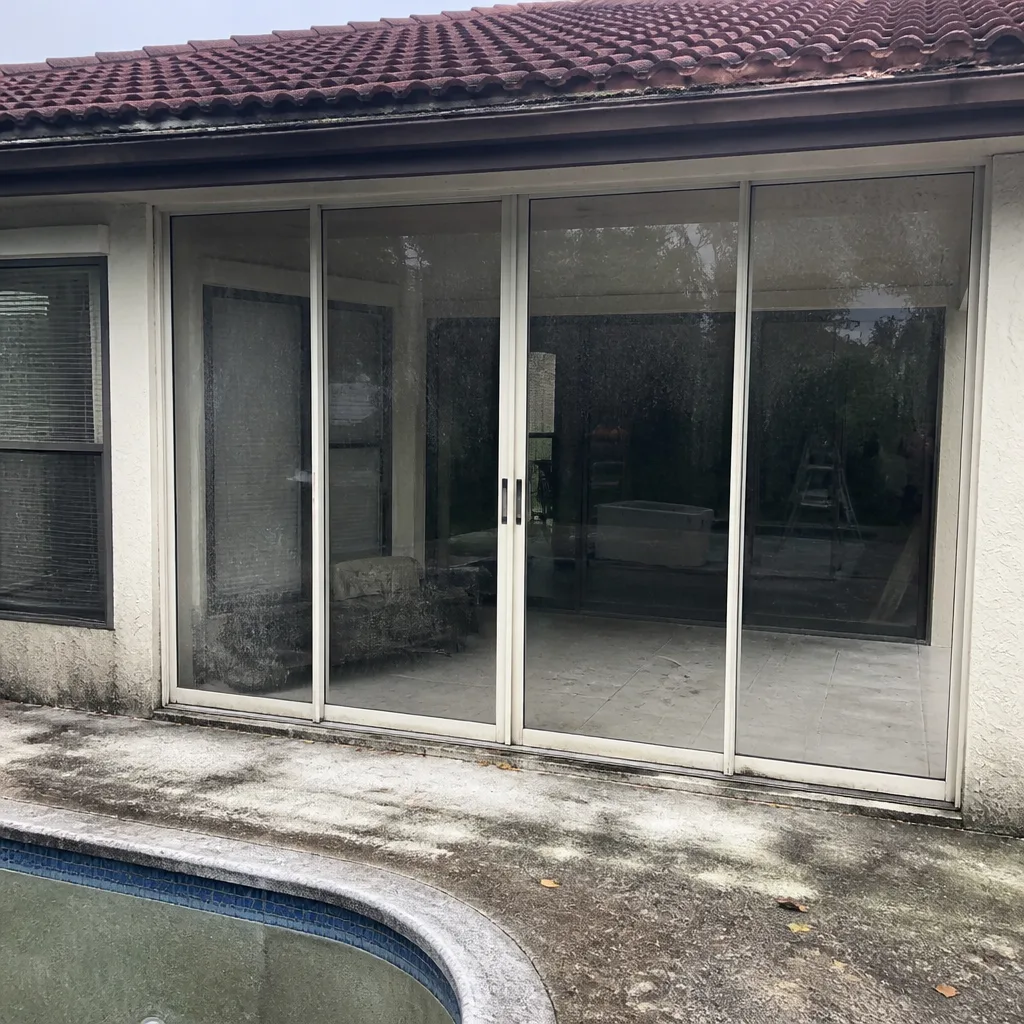 Before
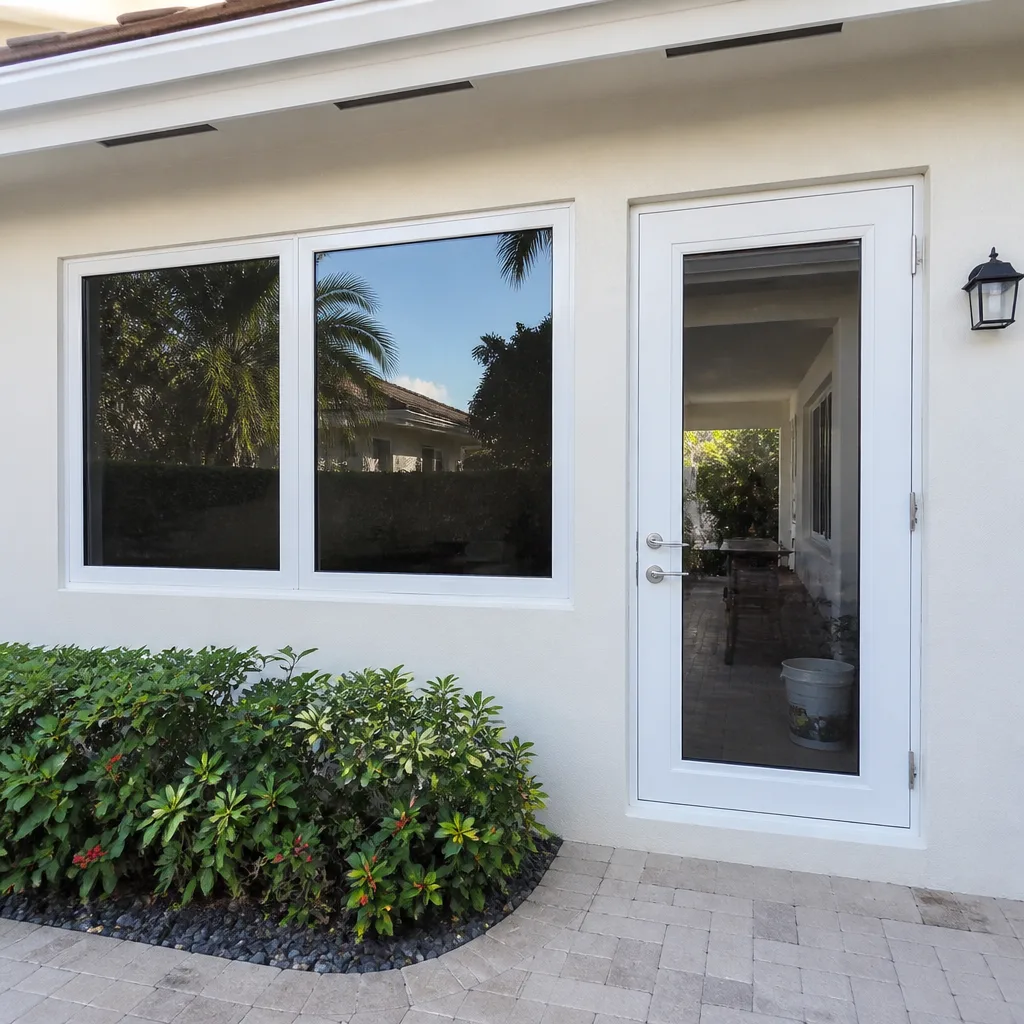 After
Seasonal Windows & Doors Care for Boynton Beach: Year-Round Homeowner’s Guide
Most Boynton Beach homeowners don’t think about their windows and doors until something goes wrong, and by then the repair bill is usually triple what routine care would have cost. Salt air, hurricane season, and relentless UV exposure work on frames, seals, and hardware every single day, whether you notice or not. This guide walks you through what to check each season, what you can safely handle yourself, and when it’s time to call someone who does this work for a living. We’ve written it for the homeowner who plans to stay in their house for another twenty years and wants the place to hold up.
Quick Answer
Windows and doors in Boynton Beach need attention four times a year: spring for pre-hurricane season inspection and track cleaning, summer for salt-air and humidity checks on seals and weatherstripping, fall for glass cleaning and hardware lubrication, and winter for frame inspection and drainage cleaning. A disciplined thirty-minute seasonal walkthrough – checking glass, tracks, seals, hardware, and drainage – prevents most expensive failures we see, including fogged insulated glass, corroded tracks, and doors that bind when humidity peaks.
Table of Contents
- Understanding the Boynton Beach Climate and What It Does to Windows
- The Seasonal Inspection Routine in 5 Steps
- Spring: Preparing for Hurricane Season
- Summer: Salt Air, Humidity, and Seal Stress
- Fall: Glass Care and Hardware Lubrication
- Winter: Frame Inspection and Drainage
- Common Mistakes to Avoid
- When to Call a Professional
- Frequently Asked Questions
- The Bottom Line
Understanding the Boynton Beach Climate and What It Does to Windows
Boynton Beach sits far enough south that we really only have two seasons: hot and humid, and warm and less humid. But that shorthand undersells what your windows and doors actually endure. The Atlantic is less than three miles from most Boynton Beach homes, and the salt aerosols that ride the sea breeze every afternoon settle on glass, corrode aluminum frames, eat at door hardware, and break down vinyl seals faster than homeowners expect. Houses in Hunters Run, Palm Beach Leisureville, or along Federal Highway take more salt exposure than homes west of I-95, but nobody in this city escapes it entirely.
The other factor is humidity. Ambient humidity in Boynton Beach routinely runs above 70% for six months of the year. That moisture works its way into insulated glass units when seals begin to fail, and it accelerates corrosion on metal weatherstripping and iron hardware. The combination of salt and humidity is rougher on cladding and seals than either one alone. In our experience, a window installation in Boynton Beach that would run without complaint for twenty-five years in a dry inland climate needs genuine attention within twelve to fifteen years – not necessarily replacement, but real care.
You also have to account for thermal expansion. Even with relatively stable South Florida temperatures, the difference between a February morning and an asphalt-baked August afternoon is enough to make aluminum and vinyl frames move measurably. That movement is what eventually cracks old caulking, loosens glass-bed seals, and turns a door that closed cleanly in March into one that sticks at the top corner in September. Understanding this is the foundation of a seasonal care routine: the checks we describe below are not optional chores, they are countermeasures against a climate that never lets up.
The Seasonal Inspection Routine in 5 Steps
Every twelve weeks or so, set aside thirty minutes with a flashlight, a cloth, and a notebook. Walk the exterior and interior of every window and exterior door in the house, and work through these five steps in order. Consistency matters more than thoroughness on any single pass; most problems we catch early announce themselves gradually, and a routine you actually follow will reveal changes before they become failures.
- Inspect the glass. Look at each pane straight-on with light behind it. Watch for moisture between panes, a milky haze, or a white film blooming from the edges. These are the first signs of a deconstructing sealed unit, and once the fog sets in, the insulating value is gone.
- Test the operation. Open and close every window and door, slowly. Note any binding, grinding, looseness, or resistance that wasn’t there last season. A door that’s starting to drag on the strike plate is a warning, not an inconvenience.
- Check the seals and weatherstripping. Run the edge of a dollar bill along closed door and window weatherstripping. If it slides free without resistance, the seal is no longer doing its job against humidity and wind-driven rain. Look for brittle, cracked, flattened, or missing material.
- Clear the drainage channels. On sliding doors, single-hung windows, and casement frames, find the weep holes at the bottom track and clear them with a wire or compressed air. Standing water in a track means the drainage path is blocked; in Boynton Beach that water breeds mold and corrodes hardware.
- Lubricate and tighten. Use a dry PTFE or silicone spray on hinges, tracks, and sliding mechanisms. Never use WD-40, which gums up over time and collects salt grit. Tighten loose handle sets, hinge screws, and lock plates with a hand screwdriver. If a screw is stripped, replace it with a slightly longer one.
This five-step pass is the core of the year-round care this guide describes. The sections below map what each season adds on top of it in Boynton Beach.
Spring: Preparing for Hurricane Season
Spring is the most important care window of the year in Boynton Beach, because what you find in April and May shapes how confident you can be when the first named storm forms in June. Hurricane season officially runs from June 1 to November 30, but the Atlantic basin has produced early storms in recent years, and homeowners who wait until August to think about their windows are already behind.
Start with a full five-step inspection, then add the following hurricane-specific checks:
- Confirm impact ratings on every opening. Walk each window and exterior door and verify that the glass carries a Miami-Dade or Florida Building Code impact label etched in the corner of the pane. For most Boynton Beach homes built or re-glazed before 2001, that label won’t be there, and the window may not be rated for the wind loads coastal Palm Beach County saw in storms like Frances and Wilma. This is not a do-it-yourself fix; if the labels are missing or illegible, a licensed professional can tell you what you actually have.
- Check shutter tracks and panel hardware. If you use accordion shutters, roll-downs, or panel systems, run them now. Clean and lubricate accordion tracks, test roll-down limit switches, and confirm you still have all the wing nuts and mounting bolts for every panel. A panel with missing hardware in October is worthless.
- Inspect exterior caulking. At every window and door, check the joint between frame and stucco or wood. Cracked, shrinking, or missing caulk is an entry point for wind-driven rain, which can apply enough positive pressure to soak a wall cavity even if the glass holds. Re-caulk with a polyurethane or hybrid sealant rated for coastal UV exposure.
- Verify lock engagement. A window or door that doesn’t fully close and lock is a weaker structural element during a storm. Test every lock; replace or adjust hardware that doesn’t seat firmly. This is also when you want to confirm no door has sagged on its hinges through the winter.
Spring is also the smart time to arrange any major replacement work, because South Florida glass fabricators get backed up quickly once storm season begins. We schedule spring TruePane Windows & Doors home estimates with an eye toward getting impact-rated units in before peak summer demand.
Summer: Salt Air, Humidity, and Seal Stress
Summer in Boynton Beach is when we field the most calls about doors that won’t close, windows that fog from the inside, and hardware that’s seized. The culprit is almost always humidity and expansion, not a sudden failure that could have been avoided in a single weekend. But the seasonal checks do matter, because summer is your best opportunity to catch a failing seal before it becomes a fully fogged insulated unit.
The summer routine adds three specific practices:
- Wipe down exterior glass and frames monthly with fresh water. Salt deposits accumulate invisibly, then crystallize in the pores of anodized aluminum and painted surfaces. A plain-water rinse and a microfiber wipe, once a month from June through September, prevents long-term pitting that shows up later as white chalk on window frames. If you’re in a coastal neighborhood like Ocean Ridge or the Intracoastal corridor, do this every two weeks.
- Watch for binding doors, and fix hinge sag early. A door that scrapes the jamb at the top corner in July is almost always hinge wear combined with frame expansion. In our experience, if you address it the first week it rubs, a hinge adjustment or shim fixes it. Wait until October and you’re often replacing the door slab edge or the entire jamb.
- Inspect weatherstripping for compression set. South Florida humidity takes foam and rubber weatherstripping from compliant to stiff within a few seasons. Run the dollar-bill test described in the seasonal routine, and replace any section that doesn’t grip. This is the most cost-effective single upgrade you can make for a more comfortable, less humid interior, and it’s work a careful homeowner can do in a weekend.
Also in summer: if your home is on a canal, lake, or golf course, you’ll see more mildew spotting on glass facing the water. That’s normal here, and a mild vinegar-and-water solution handles it without damaging frames. Avoid alkaline glass cleaners on tinted or Low-E coated glass; they can etch the coating permanently.
Fall: Glass Care and Hardware Lubrication
Fall in Boynton Beach is the calmest season for window and door maintenance, but it’s still not a season for doing nothing. October and November give you dry, milder weather for cleaning work that’s unpleasant in July, and the lower humidity reveals problems that summer masked.
Focus fall attention on deep cleaning and hardware. Use a pH-neutral glass cleaner, or one ounce of Dawn dish soap in a gallon of warm water, applied with a soft lint-free cloth. Never use a pressure washer on glass or frames – not at a distance, not with a wide nozzle, not briefly. Pressure washers force water past seals, into weep systems, and against window film. We’ve replaced tracks and sealed units damaged by a homeowner’s pressure washer more than once.
On hardware, fall is the time to disassemble and re-lubricate what you can reach safely. Remove handle sets and clean the internal mechanism with a dry brush and compressed air, then re-lubricate with a light machine oil. Re-seat every hinge screw. If a hinge screw is stripped in a wood frame, insert a wooden matchstick or toothpick with wood glue, let it dry, and re-drive the screw. This is small work, but it prevents the wobble that eventually tears the bottom hinge clean out of a jamb.
Fall is also the season to register manufacturer warranties on any window or door work done earlier in the year. Every major manufacturer – Andersen, Pella, Marvin, Milgard – has a separate registration window, and a surprising share of homeowners miss it, which quietly forfeits a layer of coverage they paid for. If a contractor did the work and hasn’t given you written registration confirmations, call them and ask. A contractor who can’t produce that paperwork on request is telling you something important about how they handle the back half of a job.
Winter: Frame Inspection and Drainage
Winter may seem like the season when nothing happens to a window, but in Boynton Beach the January dry spell is exactly when cracks and gaps reveal themselves. Stucco and wood shrink slightly as humidity drops, and a hairline joint that was invisible in August opens up enough to catch a fingernail by December. This is the season to hunt for those openings and seal them.
Use the winter pass to inspect the full perimeter of every window and door frame, inside and out. On the exterior, look at every joint where frame meets wall cladding. Re-caulk anything that’s cracked or pulling away with a coastal-rated sealant. On the interior, check for daylight or drafts around window casing trim; if you can see light, the wall sealing around the frame is failing, and the fix may be more involved than caulk.
Drainage is the other winter priority. Sliding door tracks and single-hung window tracks collect sand, dirt, and salt residue in the bottom channels, and Boynton Beach is sandy enough that six months of foot traffic plugs weep holes regularly. Clear every weep hole you can find with a wire or pipe cleaner, then pour a cup of water into the exterior track channel and confirm it drains freely out the front of the frame. If water pools, the drainage system is the failing part. It’s one of the cheapest fixes in the window trade when caught early, and one of the most expensive when ignored through a rainy summer.
Finally, take a full inventory each winter. Write down which windows have fogged, which doors bind, which hardware is loose or missing, and which frames show water staining. That list becomes your spring hurricane prep list, and over the years it’s also your honest record of how the house is aging. Homes in Boynton Beach don’t fail suddenly; they fail on a schedule, and your notebook makes that schedule visible.
Common Mistakes to Avoid
- Power washing windows and door frames. The pressure forces water into seal gaps and weep channels, strips exterior caulking, and voids most manufacturer finish warranties. Hand washing with a cloth and hose spray is slower, and it’s the only method that protects your investment.
- Deferring hurricane prep until August. Fabricators, glaziers, and shutter installers in Palm Beach County book solid as soon as the first storm develops. A May inspection costs the same as an August panic call, but the August call starts with a two-week wait.
- Replacing weatherstripping with the wrong profile. Sliding doors, casement windows, and single-hung sashes each take a different weatherstrip shape and compression rating. The cheap universal foam sold in big-box stores fails within months. Match the manufacturer profile, or let someone who can.
- Ignoring a door that’s started to rub. A door that rubs in summer has a hinge or plumb problem. If you leave it, the door chews through weatherstripping, forces locks out of alignment, and eventually warps the slab. Early adjustment is a service call under a hundred dollars; late replacement is a multiple-day project.
- Using abrasive cleaners on Low-E or tinted glass. Barkeeper’s Friend, scouring pads, even certain ammonia-based glass sprays will permanently scratch modern coated glass. Dish soap and water, or a cleaner specifically labeled for coated glass, is the rule.
- Skipping the interior side of exterior doors. Moisture and salt work both sides of a frame. A door that looks fine outside may be corroding at the interior threshold or hinges. Inspect both faces every season.
When to Call a Professional
Some seasonal work is realistic for a careful homeowner, but certain conditions call for a trained trade. If you see moisture or fog inside an insulated glass unit, replacement of the sealed unit is required and the work involves glass handling that’s hazardous to attempt without experience. If a window or door is loose in its frame, leaking at the wall line, or showing water staining on interior drywall, the failure may be structural and a caulk bead won’t fix it. If storm preparation reveals windows without verifiable impact ratings, the assessment and retrofit should come from a licensed professional who can pull the original ratings. If a door binds seasonally despite hardware adjustment, the door may be racking from a foundation or wall movement issue, and the underlying cause deserves a trained eye. TruePane Windows & Doors offers free estimates throughout Boynton Beach; call (561) 708-6771 and someone will look at the opening, talk straight about what it needs, and quote the work in writing.
Frequently Asked Questions
Exterior glass and frames should be rinsed or wiped down at least once a month from June through September, and every other month the rest of the year. Homes within a mile of the Intracoastal or the ocean need it twice as often because salt deposition is constant. A plain-water rinse removes most salt; use a mild soap solution only when you see visible grime or spotting. Interior glass needs attention less often, but window sills and door tracks should be vacuumed monthly to keep sand and debris out of the drainage channels. Call (561) 708-6771 if you’re not sure whether what you’re seeing is salt or something more serious; it’s a quick phone call, and estimates are free.
Most routine seasonal maintenance costs under $50 in materials per year: weatherstripping, silicone lubricant, caulk, and cleaning supplies. When you factor in occasional professional service, a reasonable long-term budget for a typical three-bedroom Boynton Beach home is $150 to $400 per year, with larger costs arising only when a sealed unit fails or a frame needs repair. A single fogged double-pane window replacement typically runs $350 to $900 depending on size and glass type, which is the strongest argument for catching seal failure early and maintaining weatherstripping before humidity does permanent damage. Call (561) 708-6771 for a specific quote on your home; we write pricing on paper, and our estimates are free.
Impact windows need the same five-step inspection routine, but with more attention to the caulk joints and sill flashings where the heavier frame meets the wall. The laminated glass itself requires no special cleaning beyond what’s recommended for coated glass; avoid abrasives and ammonia-based cleaners. What matters most is keeping the drainage and hardware working, because impact-rated frames are heavier and harder on hinges and tracks than standard aluminum. If you have impact windows in Boynton Beach, also check annually that the frames haven’t shifted in the openings, since storm-rated performance depends on the frame staying plumb and anchored.
A failed insulated glass seal shows up as fog, moisture, or a cloudy film between the two panes of glass, often worse in humid weather and better in dry weather. Once the seal fails, the unit has lost its insulating gas fill and atmospheric moisture is entering the air space; the only real repair is replacement of the sealed glass unit. The frame and sash usually don’t need replacement – just the insulated glass itself. In Boynton Beach, the heat and humidity typically finish off a compromised seal within two to five years, so if you spot even a small persistent fog patch, get it priced before the degradation spreads. Call (561) 708-6771 for a free estimate on single-unit glass replacement.
For most Boynton Beach homes, replacing windows in phases is financially sensible and perfectly functional, as long as you keep a consistent brand, glass package, and frame color across phases. The exception is hurricane preparedness: if your home’s windward windows are old single-pane glass, prioritizing those openings first makes more sense than a full simultaneous replacement. There’s no technical requirement to do everything at once, and a reputable contractor will help you sequence the work by exposure and condition rather than pushing for a full house at once. We’ll lay out a phased plan in writing and quote each phase separately.
Door hardware takes the worst of it. Salt air corrodes exposed hinges, locksets, and handles, and the corrosion products grind against moving parts, which is why so many Boynton Beach doors become stiff or squeaky within a few years of installation. The fix is simple, regular lubrication with a dry silicone or PTFE spray, plus wiping hardware with fresh water after particularly windy coastal weeks. For hardware that’s already corroded, replacement is often the most reliable fix, and it’s a relatively inexpensive job compared to repairing the door itself. If your lockset feels gritty or the deadbolt doesn’t throw cleanly, address it now before you’re locked out on a bad day.
The Bottom Line
Windows and doors in Boynton Beach fail on a predictable schedule, but they don’t have to fail early. A thirty-minute seasonal check in spring, summer, fall, and winter catches the small problems – a soft seal, a clogged weep hole, a hinge beginning to sag – before they become expensive ones. Spring is for storm readiness and caulk. Summer is for salt rinses and binding-door checks. Fall is for deep cleaning and hardware service. Winter is for frame inspection and drainage clearing. Do that work, keep good records, and your windows and doors will last well past the point where a neglected house would have needed full replacement. If you find something you’re not sure about, call (561) 708-6771. A live person answers, and an honest assessment costs you nothing.
Written by Dale Kessler, Owner at TruePane Windows & Doors, serving Boynton Beach since 2008.
Six Reasons Homeowners Choose TruePane Windows & Doors
Impact systems engineered to design pressures up to +/-100, matched to your wind zone - your openings hold when the storm arrives.
Low-E insulated impact glass from our manufacturer lines commonly cuts monthly cooling bills 20-30%.
Laminated impact glass shuts out up to 40% of outside noise - traffic, neighbors, weather.
Monitoring services run $30-90 a month. Laminated impact glass resists forced entry around the clock, with no subscription.
Florida homeowners average around 25% savings on the windstorm portion of their policy after protecting every opening - some homes qualify for more.
A full impact package upgrades curb appeal, buyer confidence and appraised value in one project.