
Last updated August 27, 2026
Free in-home measure and quote - PGT, CGI and CWS impact lines compared on your actual openings, style by style
Sliding glass doors
Impact garage doorsPGTCGI
 Before
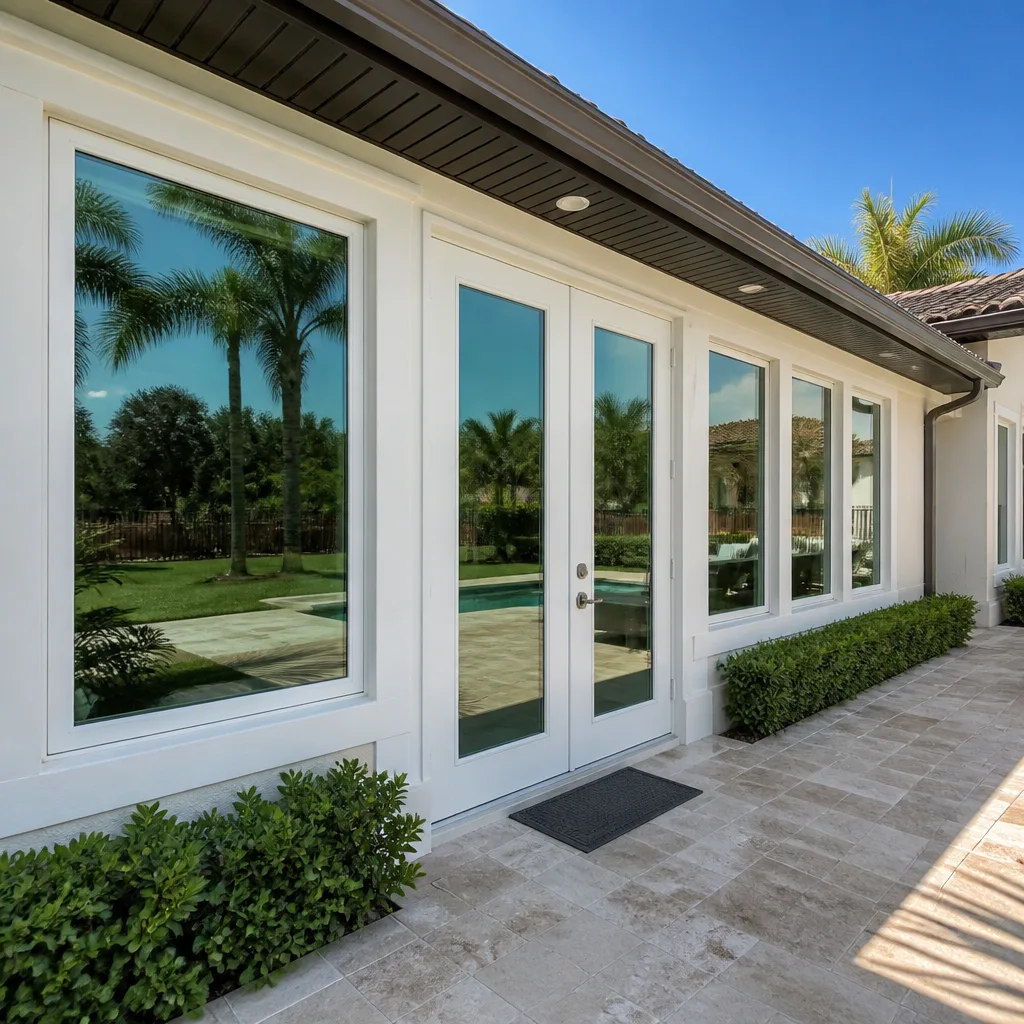 After
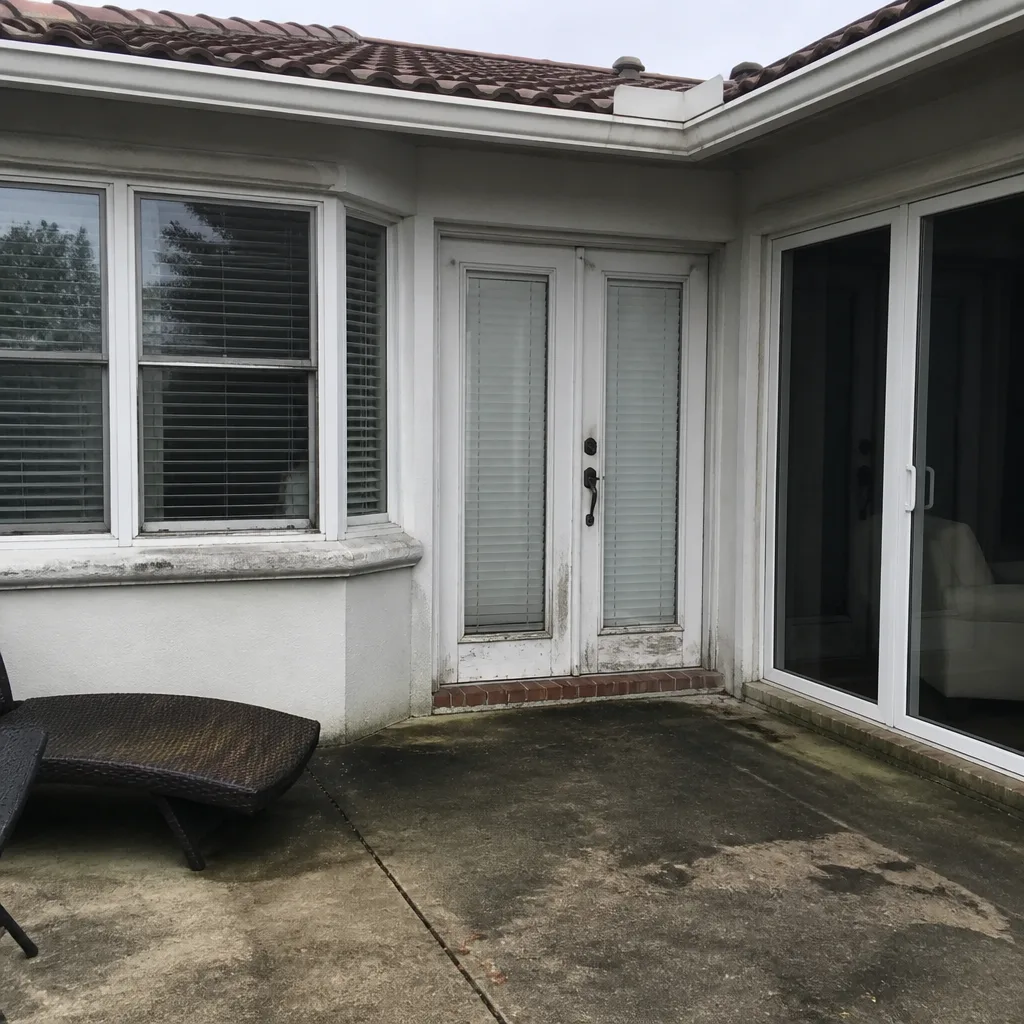 Before
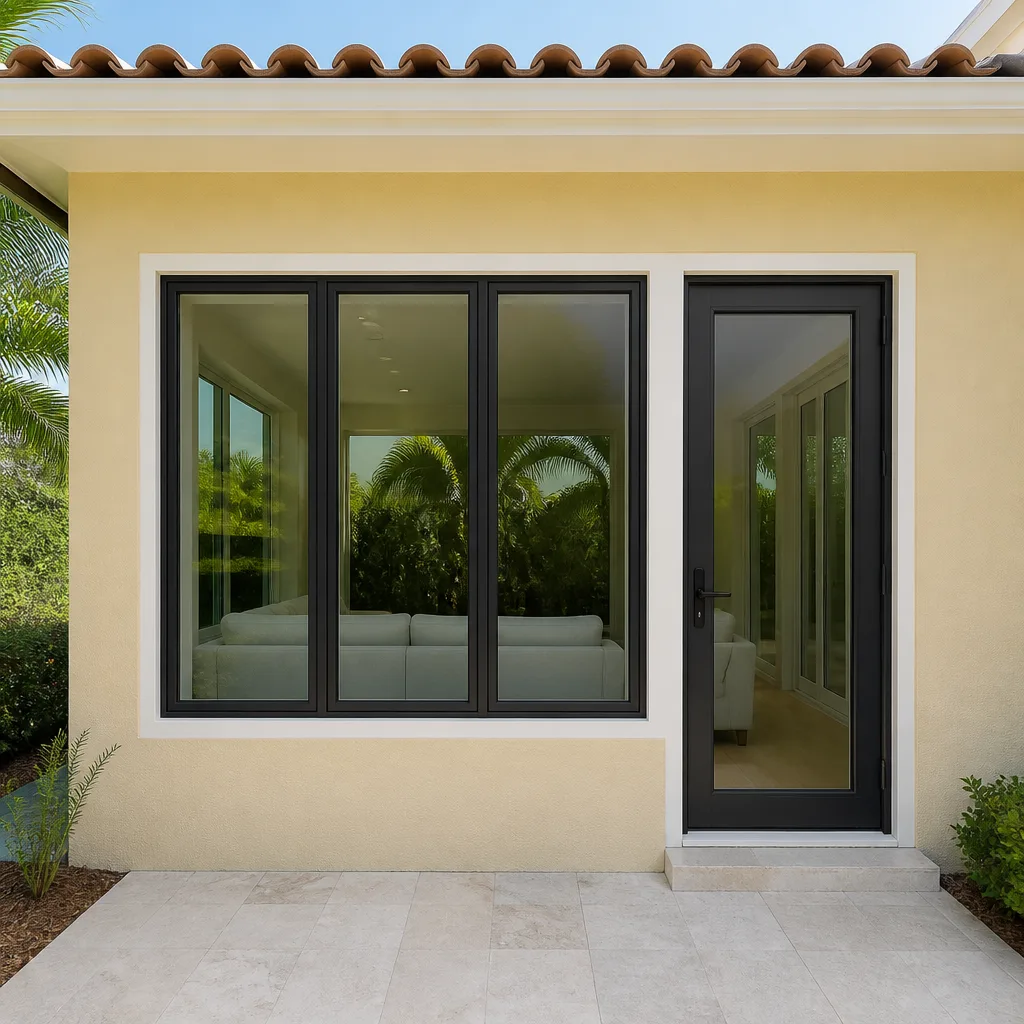 After
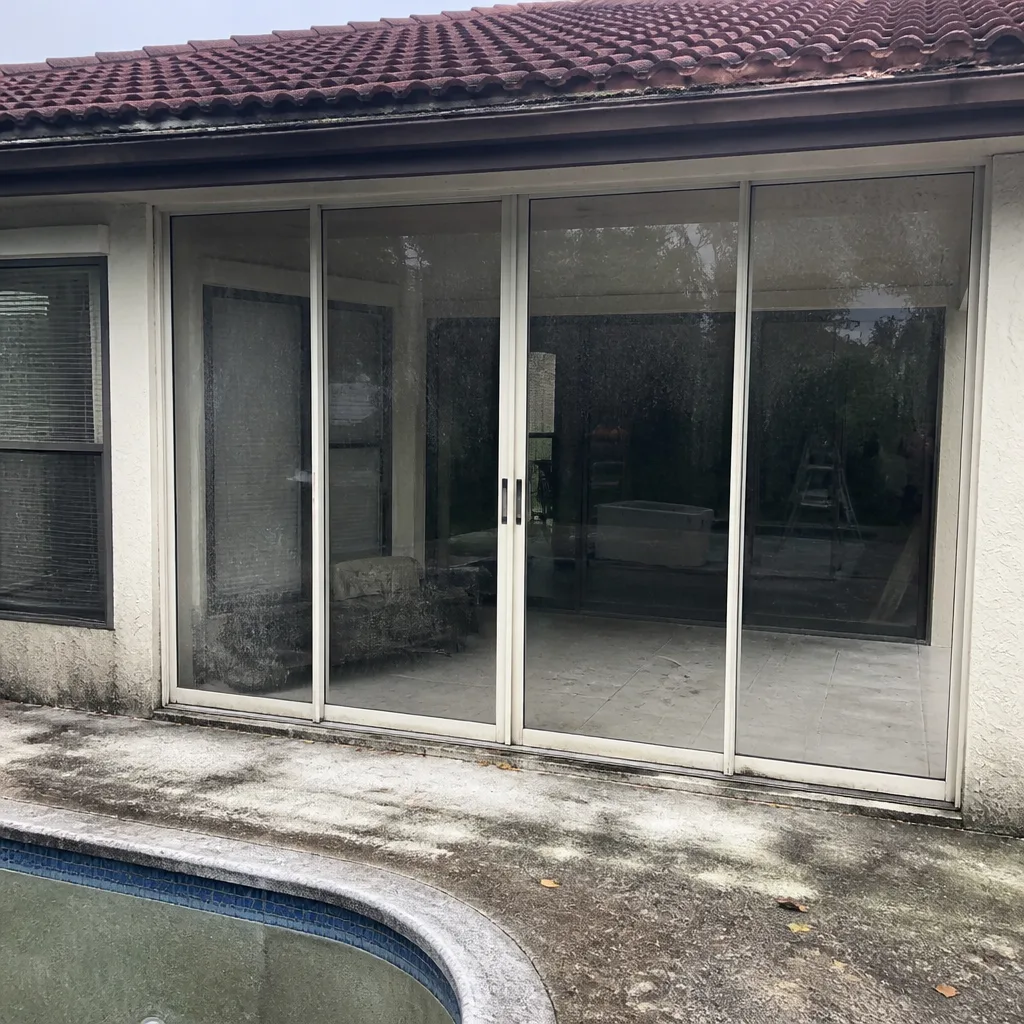 Before
 After
DIY vs Professional Windows & Doors: The Boynton Beach Homeowner’s Decision Guide
Roughly seven of every ten window and door replacements we see in Boynton Beach are jobs a homeowner already tried to do themselves. The number holds steady year after year, and so does the pattern: the first attempt saves a few hundred dollars, and the correction costs more than doing it right the first time would have. This guide is written for the homeowner standing in the garage looking at a fogged window or a door that sticks in July, deciding whether to pick up a drill or a phone. We’ll walk through where DIY makes sense in South Florida, where it doesn’t, what it actually costs either way, and how to tell the difference before you start pulling trim. By the end, you’ll know exactly which projects belong on your weekend list and which belong on a work order.
Quick Answer
For most window and door work in Boynton Beach, a professional install is the lower-risk choice: the coastal climate, hurricane code requirements, and the cost of mistakes on impact-rated openings mean a bad DIY install usually costs more to fix than the labor would have cost to hire. DIY makes sense only for small, non-structural, non-glazed tasks like weatherstripping, screen replacement, or hardware adjustment. Anything involving glass, framing, flashing, or an exterior opening in a wind-borne debris zone is a job for a licensed crew.
Table of Contents
- The Real Cost of DIY
- What Boynton Beach Code Requires
- Projects You Can Do Yourself
- Projects to Leave to a Pro
- The Warranty Trap
- Cost Comparison: DIY vs Hiring
- How to Evaluate a Window and Door Company
- Common Mistakes to Avoid
The Real Cost of DIY
The sticker price of a DIY window replacement in Boynton Beach looks attractive. A mid-range window from a big-box store runs $180 to $400, and the project looks like a day of work. What the sticker doesn’t show is the cost of the tools you don’t own, the materials that aren’t in the box, the mistakes you’ll make learning on your own opening, and the energy penalty of a window that isn’t sealed right against a South Florida summer. We’ve fixed enough DIY installations to know the bill lands somewhere between double and triple the original window price, and that’s before you account for your own time.
Here’s what actually goes into a window swap, in the order it goes wrong:
- Removal without damage. Old windows in concrete-block homes are often set with expanding foam, stucco, and sealant that’s had forty years to harden. Getting the old one out without destroying the rough opening takes patience and the right pry tools. One wrong angle and you’re repairing the opening before you can start installing.
- Flashing and waterproofing. In Boynton Beach, a window leak doesn’t just stain drywall. It gets into the block, feeds mold, and degrades the framing around the opening over time. Correct flashing is layered, with each piece overlapping the one below it in the direction water flows. Missing one layer is the difference between a window that lasts twenty years and a window that leaks in the first summer storm.
- Shimming and squaring. A window that’s out of square by a quarter inch will sag, bind, and wear its hardware prematurely. Getting an opening square means working with shims in pairs and checking with a level in six positions. Most first-timers skip the crown and cross-level checks.
- Insulation and air sealing. The gap between the window frame and the rough opening needs low-expansion foam designed for windows and doors - not the standard spray foam, which expands too much, bows the frame, and voids the manufacturer’s warranty. The white can foam from the garage is exactly the wrong product, and it’s what most hardware stores will sell you if you don’t know the difference.
- Interior and exterior trim. The finishing work. Caulk lines matter. Water that gets behind exterior trim from a bad caulk joint has a direct path to the sheathing.
None of these steps requires genius. All of them require repetition. A crew that installs windows five days a week has made every mistake on a training wall or under a journeyman’s eye, not on your opening. The homeowner learning on their own bedroom window pays tuition in foamed-shut sashes and sealant that peels after the first rainy season.
What Boynton Beach Code Requires
Boynton Beach sits in a high-velocity hurricane zone. That’s not a casual phrase - it’s a building code classification, and it changes what windows and doors you’re allowed to install, how they’re anchored, and who is eligible to do the work. Palm Beach County enforces the Florida Building Code, which since 2002 has required impact-rated or protected openings on all new construction and on any replacement that changes the size of an existing opening. A like-for-like replacement of the same size opening still requires products that meet the local wind-load requirements for your specific location’s exposure category.
What this means for a DIY project:
- You can’t legally install a non-impact window in most openings. The code requires impact-rated glazing, impact-rated shutters, or a tested assembly that meets Miami-Dade or Florida Product Approval standards. That rules out the majority of big-box stock windows.
- Permits are required for most replacements. The City of Boynton Beach requires a permit for window and door replacement. The permit application requires product approval numbers, wind-load calculations for the specific opening, and, in most cases, a contractor’s license for the work.
- Inspections are part of the process. After installation, the city sends an inspector to verify the anchoring, product labels, and installation against the approved plans. If the work fails inspection, you get to correct it and schedule another visit. If you did the work yourself and it fails, you’re redoing it on your own time.
- Insurance companies check. After a storm, claim adjusters look for product approvals and permitted work. An unpermitted DIY window that fails during a hurricane is a denial letter waiting to happen.
We mention this not to protect a trade monopoly - we mention it because the homeowner who skips the permit to save $200 is the homeowner who calls us after a storm to replace a window the insurance company won’t touch. The code exists because the wind makes it real. In Boynton Beach, a window isn’t just glass; it’s the first line of defense against a Category 3.
Projects You Can Do Yourself
There is an honest list of window and door maintenance that belongs in the DIY column. These are tasks that don’t change the structural or waterproofing integrity of the opening, don’t involve glass replacement, and don’t require a permit. Done carefully, they save a service call and genuinely extend the life of your windows and doors.
- Weatherstripping replacement. The foam tape and vinyl fins on window sashes and door jambs wear out every few years in Florida’s heat. Peel off the old, clean the surface with denatured alcohol, press in the new. If you can still feel air movement after dark with a candle flame near the sash, you’ve got a gap that needs attention. A $12 roll fixes a door. A window that leaks air even after fresh weatherstripping has a bigger problem - likely an out-of-square frame - and that’s a pro call.
- Screen repair. Rips in window and sliding door screens happen to every Boynton Beach homeowner eventually. Screen spline tool, new spline, new mesh, twenty minutes. The key is keeping the mesh taught before pressing the spline home; a loose screen looks do-it-yourself for as long as you own the house.
- Hardware adjustment and lubrication. A sliding door that drags might just need the rollers adjusted, and a hinged door that sticks in July might just need a screw tightened or a hinge plate squared up. Silicone spray on tracks, graphite on lock mechanisms, and a screwdriver on loose hinges - these are legitimate homeowner tasks. The risk zone starts when the adjustment involves removing the sash or the door slab.
- Caulking interior trim. The interior trim around a window is cosmetic, and a clean caulk line between trim and wall is a reasonable DIY weekend job. Use a paintable acrylic caulk, tool it smooth with a fingertip dipped in water, and let it cure before paint.
- Cleaning and maintenance. Weep holes on window frames get clogged with dirt and debris; a paperclip or a blast of compressed air keeps them draining. Door tracks should be vacuumed monthly. Lubricating weatherstripping with a silicone protectant twice a year keeps it flexible.
None of these tasks will void a warranty if done with basic care. None of them require a permit. All of them are the kind of hands-on maintenance that keeps a twenty-year-old house tight between professional service visits.
Projects to Leave to a Pro
The line between DIY and professional work is drawn at glass, framing, flashing, and product approvals. Cross it, and the cost of the lesson is measured in water intrusion, failed inspections, voided warranties, and insurance fallout. These are the projects where we tell a Boynton Beach homeowner to put down the drill and make a phone call.
- Any project involving removing or replacing glass. Insulated glass units are sealed with an inert gas between two panes. The seal fails, fog appears, and the unit is done - it can’t be cleaned or repaired from the outside. Replacing an IGU requires the correct measurements, a new unit matched to the frame’s exact dimensions, and proper glazing. Get it wrong, and you’re buying a second unit.
- Impact window and door installation. Impact-rated products carry product approval numbers tied to their anchoring schedule. The approval specifies the fastener type, size, spacing, and embedment depth. A DIY installer who anchors the frame with the wrong screws has installed a window that won’t perform in a storm - and that performed fine in calm weather until it didn’t.
- Full-frame replacement. When the entire window, including the frame, comes out of the opening, you’re dealing with flashing, waterproofing, and structural anchoring. This is the highest-risk installation type and the one most likely to leak if done wrong.
- Sliding door and patio door replacement. A sliding door is a bigger version of a window with a bigger hole in the wall and a bigger water bug. The track, the rollers, the interlocking weatherstripping - all of it has to land inside a few millimeters of perfect or the door will drag, bind, or leak.
- Any project in a load-bearing wall. Widening an opening, adding a door where there wasn’t one, or removing a window header is structural work. Full stop. Not DIY, not handyman, not even every contractor. A licensed professional with structural engineering support.
- Work that requires a permit and inspection. In Boynton Beach, the permit application for window and door replacement requires homeowner or contractor credentials depending on the property. The inspection requires the work to meet the approved plan. A professional company lives in this system; a DIY homeowner is visiting it for the first time.
One more consideration, specific to Boynton Beach: the salt air. Homes east of I-95 and near the Intracoastal get a steady salt mist that accelerates corrosion on fasteners and hardware. We regularly see do-it-yourself projects in the Briny Breezes and Ocean Ridge areas with hardware corroding after two years because the screws were standard steel instead of stainless. A pro who works this coastline daily knows the difference. A weekend tutorial doesn’t cover it.
The Warranty Trap
Every window and door manufacturer publishes a warranty, and nearly all of them contain the same sentence in the fine print: the warranty is void if the product is installed incorrectly or not in accordance with the manufacturer’s installation instructions. That sentence is the entire business model of the DIY discount. You save the labor cost, and in exchange, you’re on your own when the product fails.
Manufacturers of the lines we install - Andersen, Pella, Marvin - all require professional installation for their warranty to remain fully intact. This isn’t a small detail. An Andersen window carries one of the longest warranties in the industry, but it’s a warranty on a properly installed product. We’ve stood in kitchens looking at failed glass in a two-year-old window the homeowner installed themselves, and we’ve had to deliver the news that the warranty won’t cover it because the installation voided the coverage. The replacement window cost $400. The warranty on that window, had it been professionally installed, would have been two decades long.
There’s a second, quieter trap: registering the warranty. Even professional companies occasionally fail to register the manufacturer warranty, which means the homeowner’s claim gets denied years later because the product was never registered at purchase. TruePane operates on a specific standard for this - we register both warranty layers in writing before the truck leaves the driveway, with the durations stated on paper. The Keystone Standard is our in-house rule: the manufacturer warranty gets registered, the workmanship warranty gets documented, and the homeowner gets a copy of both. If the pane isn’t true, the job isn’t done, and a warranty that was never registered was never really a warranty.
Cost Comparison: DIY vs Hiring
Let’s put numbers on the table. These are the prices we see in Boynton Beach for a standard single-hung replacement window in a 1,500 to 2,500 square-foot concrete-block home, as of this writing. Your specific quote depends on the opening, the frame condition, and the product line, but this gives you a realistic picture of what the decision actually costs.
DIY Window Replacement: What You’ll Spend
- Mid-range vinyl window, non-impact: $180 to $400 (note: likely not code-compliant for most Boynton Beach openings)
- Impact-rated window from a specialty supplier: $500 to $900 (most big-box stores don’t stock these in Boynton Beach; you’ll drive to a supplier, and some won’t sell to non-contractors)
- Tools you don’t own: $120 to $300 (pry bars, levels, shims, can of low-expansion window foam, caulk gun, drill bits)
- Disposal of the old window: $40 to $80 (landfill fees; most municipalities won’t let you put construction glass in residential pickup)
- Permit fees, if you pull them yourself: $80 to $200 (and the hours it takes to navigate the application)
Professional Replacement: What You’ll Spend
- Mid-range impact window installed by a licensed contractor: $800 to $1,400 per window depending on product line, frame condition, and anchoring requirements
- What’s included: the window, proper flashing and waterproofing, code-compliant anchoring, permit coordination, inspection scheduling, disposal, and warranty registration
- What’s not included: stucco repair or interior drywall repair if the old window tears the opening on the way out (true for DIY too, but the pro will tell you before you start)
The honest math for a DIY impact-window install on a Boynton Beach home works out like this: $700 window plus $200 in tools plus $120 permit plus $60 disposal plus two weekends of your time, and at the end of it, no warranty coverage and no assurance the anchoring schedule meets the approved plan. The professional quote is higher on paper, but the gap narrows when you add the true DIY costs and then subtract the value of the warranty and the inspection. We’re not the cheapest bid in the room - we’re the last call a homeowner needs to make.
How to Evaluate a Window and Door Company
If you’ve decided to hire, the job isn’t done - the next decision is who. Boynton Beach has no shortage of window companies, which means it has no shortage of companies that won’t be here in five years. Here’s the evaluation checklist we tell homeowners to use, whether they end up hiring TruePane or someone else.
- Ask if they’re an authorized installer for the line they’re quoting. Manufacturer authorization means the installers have been trained on the product and the company has a direct warranty relationship with the manufacturer. You can call the manufacturer and verify. If the answer is vague, so is the warranty.
- Ask who answers the phone. A company that routes to a voicemail tree during business hours is a company that will route you to a voicemail tree when something goes wrong. A live person who answers 24 hours a day, 7 days a week tells you what the company’s priorities are.
- Ask to see the warranty in writing before you sign. Both layers - manufacturer and workmanship. The durations should be stated, the coverage described, and the document given to you when the contract is signed, not promised verbally and forgotten. At TruePane, the Done Right Promise is in the contract, and the manufacturer warranty registration is handed to you before the truck leaves the driveway.
- Ask who shows up to the job. Background-checked, uniformed, W-2 employees or day labor hired for the week? The person in your home should be the person the company would send to their own mother’s house. That’s our hiring standard, and it’s a fair question to ask any company.
- Ask for a side-by-side quote. If a company only carries one manufacturer line, you’re buying what they sell, not what’s best for your opening. We quote Andersen, Pella, Marvin, and Milgard, among others, side by side on paper - the homeowner sees the price, the performance specs, and the warranty terms for each, and decides for themselves.
- Ask how long they’ve been in the local market. A company that’s been serving Boynton Beach and the surrounding communities for more than years has a reputation to protect. A company that’s been here for two years has a review page to build. The difference shows up when something goes wrong.
One thing we’ll say directly, because it matters in Boynton Beach: if the quote feels too good to be true, it probably skipped something. The permit fee, the flashing, the anchoring, the warranty registration - these are real costs that every honest contractor carries. The company that quotes $400 per window installed is either paying their crew below market or cutting something you can’t see until the first hard rain. The cheap bid is the most expensive decision in the window industry.
Common Mistakes to Avoid
- Buying non-impact windows for a Boynton Beach home to save money. You’ll find them at the big-box store, and they’ll be cheap. They’re also not code-compliant for most openings, and insurance adjusters know the difference. The savings evaporate the first time a hurricane watch gets posted and you realize the windows aren’t protecting anything.
- Using standard expanding foam around a window frame. The white can foam from the garage shelf expands with enough force to bow the frame, bind the sash, and void the manufacturer’s warranty. Window and door foam is a different product with a lower expansion pressure. This single mistake ruins more DIY windows than any other.
- Skipping the permit to avoid the fee. Unpermitted window work gets discovered at the worst possible time - during a sale inspection, during an insurance claim, or during a building department audit. The permit fee is a fraction of what it costs to correct an unpermitted installation.
- Ignoring the signs of a bad install until the warranty expires. A window that’s fogged between the panes isn’t dirty - the seal has failed and the IGU needs replacement. Waiting until the cosmetic damage piles up means the structural damage behind the wall piles up too. Water intrusion doesn’t announce itself; it just keeps penetrating until the drywall tells the story.
- Hiring the lowest bid without checking authorization or credentials. A contractor who isn’t an authorized installer has no ability to honor the manufacturer’s warranty, and a contractor who isn’t licensed can’t pull the Boynton Beach permit. Both are disqualifying, and neither is worth the savings.
- Replacing one window at a time as a long-term cost-control strategy. In Boynton Beach, the climate is hardest on the windows that get the most western sun exposure - and those are the first to fail. But piecing out a replacement project one window at a time means you’re paying mobilization costs every time, living in a construction zone for years, and never getting the energy efficiency benefit of a full-envelope upgrade. A whole-home plan costs less per window and finishes the job.
When to Call a Professional
Call a professional if the project involves glass, framing, flashing, a permit, or a product approval. Those are the four conditions that move a job from the DIY column to the pro column. If water is coming in around a window or door after rain, call before the interior damage spreads. If a window is fogged, cracked, or doesn’t operate after fresh weatherstripping, call before you start pulling trim. If you’re planning to replace multiple windows or any impact-rated product, call before you buy anything - the product selection and the permitting both need to happen before the installation does. TruePane Windows & Doors offers free estimates in Boynton Beach. Call (561) 708-6771 and we’ll walk the property, measure the openings, and give you a written quote you can compare against any other bid.
Frequently Asked Questions
A mid-range impact-rated window professionally installed in Boynton Beach typically costs $800 to $1,400 per window, depending on the product line, the opening’s size and condition, and the anchoring requirements. Lower prices sometimes appear in advertisements, but they usually exclude the permit, the flashing, or the warranty registration. Call (561) 708-6771 for a written line-item quote on your specific openings - the estimate is free.
It is legal for a homeowner to pull a permit for their own primary residence in some cases, but the Boynton Beach building department still requires the permit, the product approvals, the wind-load calculations, and the inspection. Most homeowners find that the documentation alone is more work than the installation. The risk isn’t the legality - it’s the code compliance after the fact.
Yes. Boynton Beach is in a high-velocity hurricane zone under the Florida Building Code, and replacement windows must be impact-rated or protected by a tested covering system. There are limited exceptions for specific opening types, but the general answer is that a non-impact window doesn’t meet code for most replacement work in Palm Beach County.
The most common mistake is using standard expanding foam around a window frame. The foam expands with enough pressure to bow the frame, bind the sash, and void the warranty. The second most common is not flashing the opening correctly, which leads to water intrusion that shows up months later as a stained ceiling or peeling paint.
The telltale sign is fog or condensation between the panes of glass that doesn’t wipe off from either side. The insulated glass unit has lost its seal, and the unit needs replacement. The glass itself is usually fine, but the IGU seal is a factory assembly that can’t be repaired in the field. In Boynton Beach’s humidity, seal failures on west-facing windows are common after 10 to 15 years.
Yes, but the savings depend on the product and the installation. A quality impact-rated window with a low solar heat gain coefficient will reduce the heat load on west-facing openings more than any other single upgrade. The key is the installation: a professionally installed, properly air-sealed window performs measurably better than a DIY-installed window with gaps around the frame. Call (561) 708-6771 for a free estimate and a clear explanation of what your specific opening sizes and exposures will actually save.
The Bottom Line
DIY makes sense for the small stuff - weatherstripping, screens, hardware, caulk, and cleaning. It doesn’t make sense for glass, framing, flashing, permits, or impact-rated products, which covers almost everything in a Boynton Beach window or door replacement. The climate and the code make this market different from most of the country, and the cost of a mistake here is measured in water intrusion, failed inspections, voided warranties, and denied insurance claims. When you hire, hire a company with a real local track record, manufacturer authorization, and a written warranty - not a flyer price. TruePane Windows & Doors has been doing it right in this community since 2008, and we’ll stand behind every install with The Keystone Standard and the Done Right Promise. Call (561) 708-6771 and get a written quote. No pressure, no fine print, no arguing later.
Written by Dale Kessler, Owner at TruePane Windows & Doors, serving Boynton Beach since 2008.
Six Reasons Homeowners Choose TruePane Windows & Doors
Impact systems engineered to design pressures up to +/-100, matched to your wind zone - your openings hold when the storm arrives.
Low-E insulated impact glass from our manufacturer lines commonly cuts monthly cooling bills 20-30%.
Laminated impact glass shuts out up to 40% of outside noise - traffic, neighbors, weather.
Monitoring services run $30-90 a month. Laminated impact glass resists forced entry around the clock, with no subscription.
Florida homeowners average around 25% savings on the windstorm portion of their policy after protecting every opening - some homes qualify for more.
A full impact package upgrades curb appeal, buyer confidence and appraised value in one project.