
Last updated August 25, 2026
Free in-home measure and quote - PGT, CGI and CWS impact lines compared on your actual openings, style by style
Sliding glass doors
Impact garage doorsPGTCGI
 Before
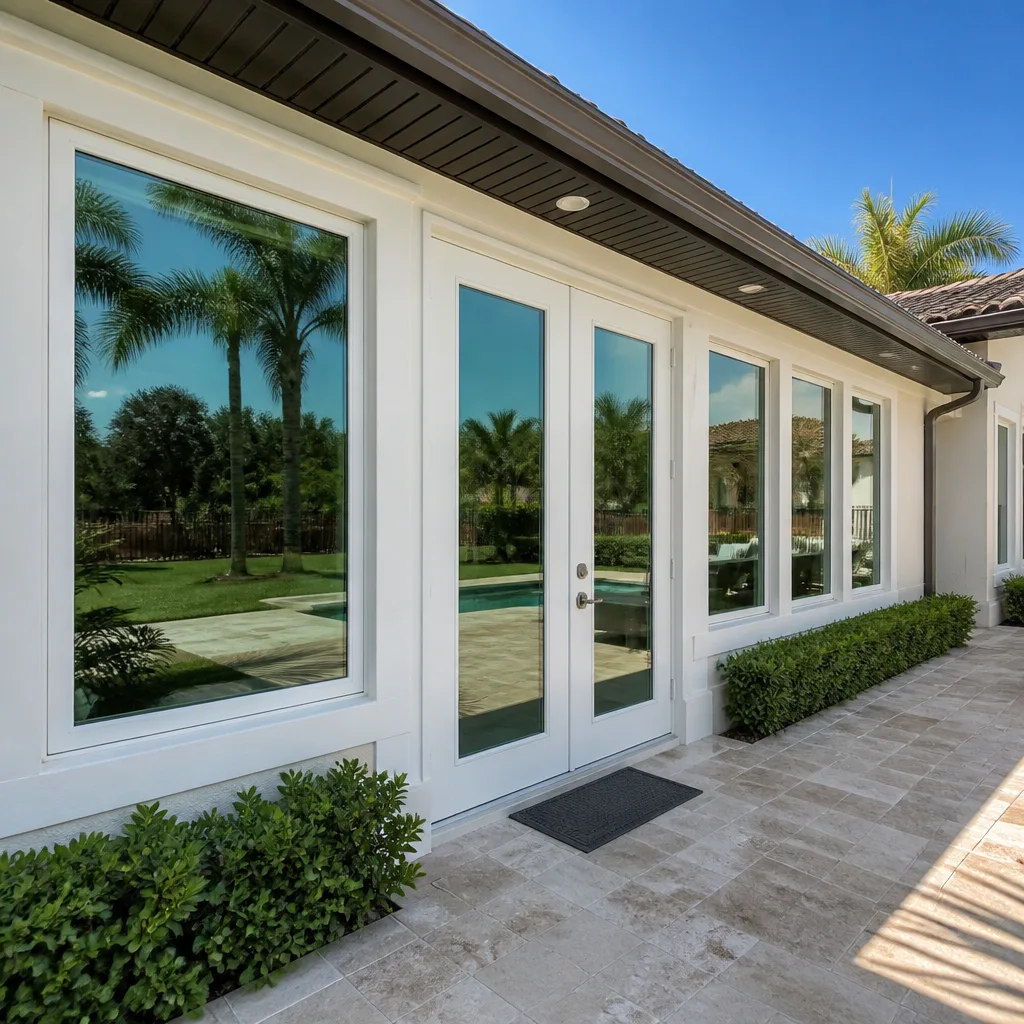 After
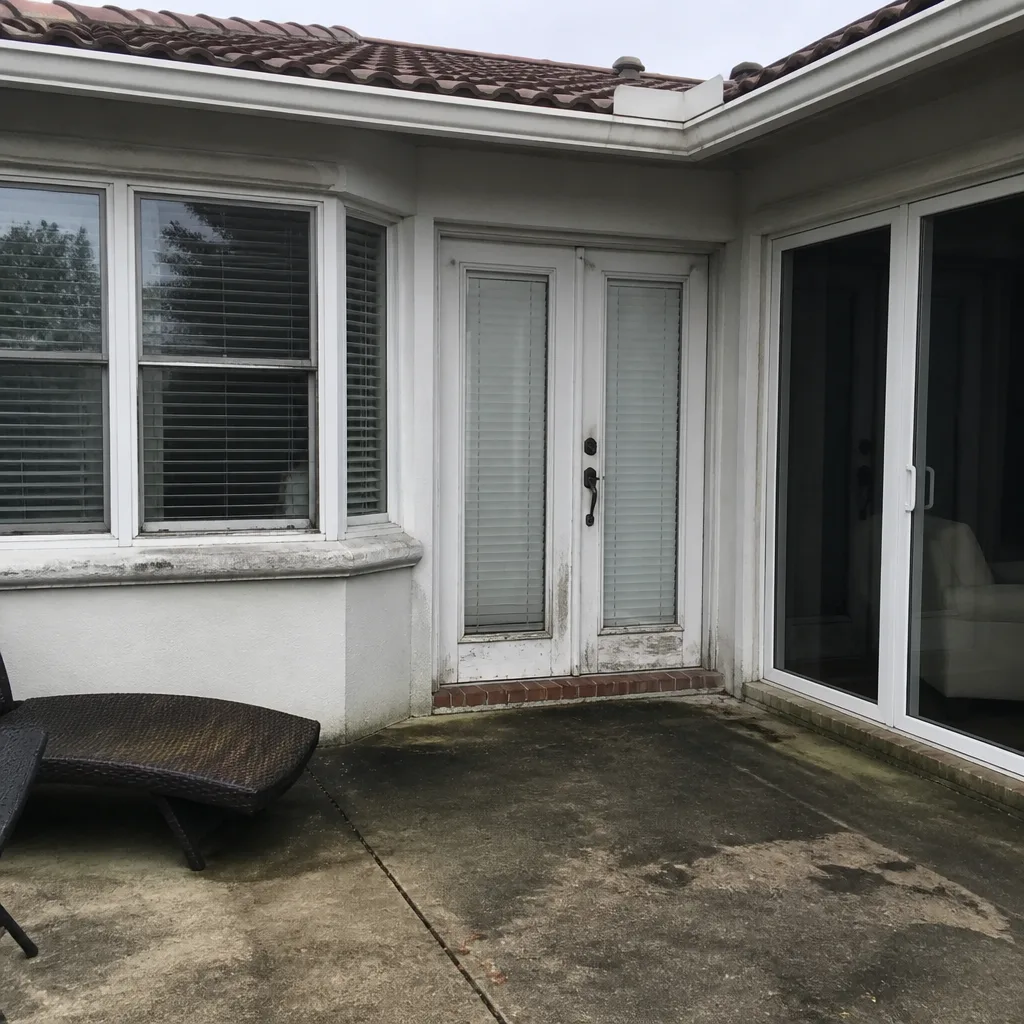 Before
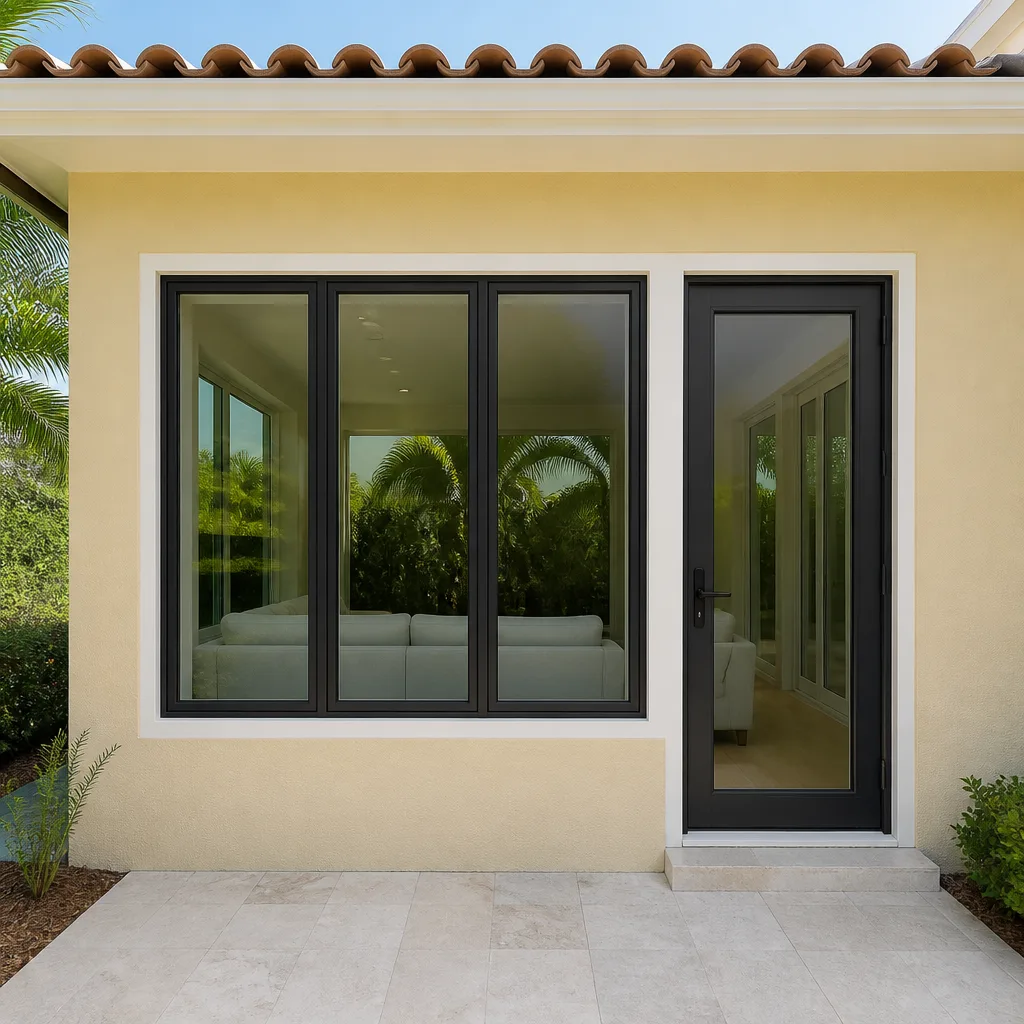 After
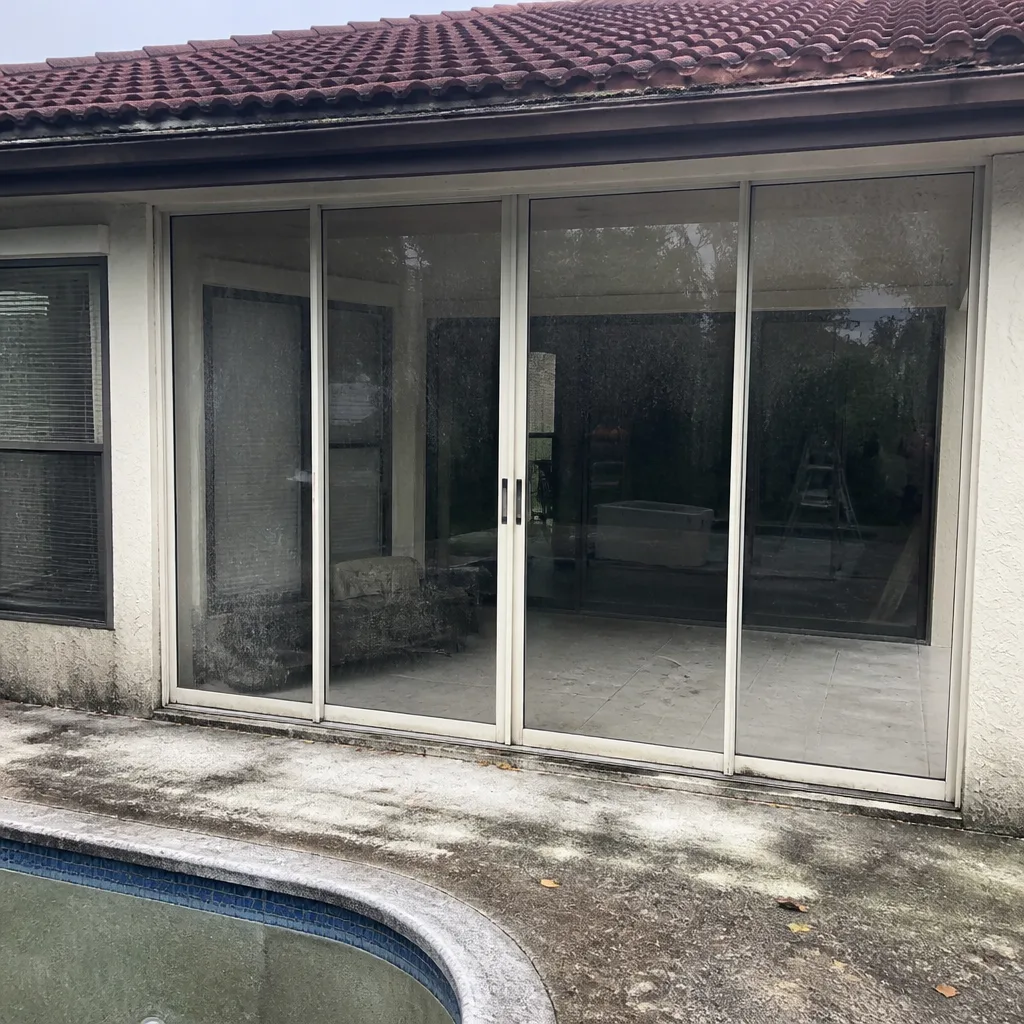 Before
 After
Window Installation Maintenance Checklist for Boynton Beach Homeowners
Most Boynton Beach homeowners don’t have a window problem. They have a maintenance problem that has been quietly compounding for fifteen years. The salt air moving off the Atlantic, the July humidity that sits on a frame like a wet cloth, and the afternoon thunderstorms that hammer the east-facing glass all work together in ways a window warranty never mentions. A window installed correctly will fail early if it’s never checked. This guide is a plain-language maintenance checklist built for the way windows actually behave in Boynton Beach’s coastal climate. You’ll learn what to inspect, when to inspect it, what’s normal wear, and what needs a glazier on site before a small issue becomes a full replacement.
Quick Answer
The core of window maintenance in Boynton Beach boils down to this: inspect your caulking, weatherstripping, weep holes, and hardware twice a year, clean the tracks and glass quarterly, and address any fogging, binding, or visible frame damage within thirty days of noticing it. In our climate, salt and moisture accelerate seal failure, so annual attention is not optional for homeowners who plan to stay in the house another twenty years.
Table of Contents
- Why Window Maintenance Matters in Boynton Beach
- The Quarterly Window Maintenance Checklist
- Hurricane Season Window Preparation: June 1 to November 30
- Salt Air, Seals, and the Slow Death of a Window
- Caulking and Weatherstripping: The Two Cheapest Repairs You’ll Ever Make
- Impact Window and Door Care for Boynton Beach Homes
- Signs Maintenance Won’t Fix: When Replacement Is the Honest Answer
- Common Mistakes to Avoid
- When to Call a Professional
- Frequently Asked Questions
- The Bottom Line
Why Window Maintenance Matters in Boynton Beach
A window that’s ignored in Boynton Beach doesn’t just get old. It gets colonized. Salt crystals work their way into aluminum tracks and corrode the rollers. Mildew finds the weep holes you never knew existed and blocks them. The sun bakes the west-facing caulking until it cracks in hairlines that invite water behind the frame. What we see most often on service calls is a homeowner who assumed the window was doing its job because the glass was still clear and the sash still moved. The problem was invisible, behind the frame, until the drywall started staining.
The numbers are telling. A properly maintained window in a coastal Florida home can last 20 to 30 years. The same window, neglected, may need replacement in 10 to 12. In Boynton Beach, the primary threats in order are moisture intrusion, UV degradation of seals, salt corrosion of hardware, and impact damage from storm debris. None of these are covered by a typical manufacturer warranty if the homeowner failed to perform basic maintenance. Warranties cover manufacturing defects. They don’t cover neglect.
Here’s what maintenance actually does, in order of financial impact:
- Prevents water intrusion – the leading cause of window replacement in Palm Beach County. Water behind a frame rots the rough opening, and by the time you see a stain on the drywall, the framing behind it is already compromised.
- Extends seal life – insulated glass units (IGUs) fail when moisture gets past the seal and fogs the interior. Regular caulking inspection catches seal stress before failure.
- Keeps hardware functional – a casement crank that gets lubricated annually will outlast one that’s never touched by a decade or more.
- Maintains energy efficiency – failed weatherstripping is a small leak that adds up on your FPL bill every month.
For a full overview of how we approach window health from the first visit, see TruePane Windows & Doors home. The checklist below is what we teach every homeowner during a walkthrough.
The Quarterly Window Maintenance Checklist
We recommend four inspection cycles per year in Boynton Beach: January, April, July, and October. These line up with the end of hurricane season, the beginning of the rainy season, the peak heat, and preparation for fall storms. Each cycle takes about an hour for a typical three-bedroom house.
- Inspect all exterior caulking. Look for cracks, gaps, or areas where the caulk has pulled away from the frame or stucco. Pay special attention to south- and west-facing windows, which bear the most UV exposure in Boynton Beach.
- Clean the tracks and sills. Use a vacuum with a brush attachment, then a damp cloth. Remove all sand and debris. Sand is abrasive and will grind down rollers and locking mechanisms over time.
- Check the weep holes. These are small drainage openings at the bottom of the exterior frame. In Boynton Beach, they get clogged with dirt, salt residue, and small insects. A clogged weep hole sends water back into the wall cavity.
- Test every lock and latch. A binding lock is an early warning sign that the frame has shifted or the hardware is corroding. Don’t force it. Forcing a lock hastens failure.
- Check weatherstripping on all operable windows. Look for flat spots, tears, and gaps where the material no longer meets the sash. Run your hand along the seal while the window is closed to feel for air movement.
- Lubricate moving parts. Use a dry silicone spray on tracks, hinges, and cranks. Do not use WD-40. It attracts dirt and becomes a gummy paste in Florida humidity.
- Examine the glass and glazing. Look for condensation between the panes, which indicates a failed seal, and for chips or cracks that may have started small and grown through thermal cycling.
- Check the exterior frame for signs of water damage. Soft wood, peeling paint, or bubbling stucco around the frame means water is getting behind the window. This is a call-a-glazier situation, not a wait-and-see situation.
Dale Kessler’s rule for homeowners is simple: if you catch a problem in January, you fix it in January. You don’t let it ride until the humidity returns in June. Small problems in Boynton Beach’s climate become structural problems faster than homeowners expect.
Hurricane Season Window Preparation: June 1 to November 30
Hurricane season is not a maintenance cycle. It’s a separate discipline. The weeks before June 1 are the time to verify that your windows are structurally sound and your opening protection is ready. In Boynton Beach, newer homes with code-compliant impact windows or impact-rated coverings are in good shape. Older homes with standard single-pane windows are not.
- Verify the condition of every impact window’s laminated glass. Look for delamination, which shows up as a milky or cloudy edge along the glass perimeter. Delamination weakens the unit and compromises its rating.
- Test all shutters, panels, or accordion systems. Open and close every mechanism fully. Lubricate tracks. Check for missing wing nuts, bent tracks, and corrosion on mounting hardware.
- Confirm that all fixed windows are properly sealed. Walk the exterior with a flashlight and look for gaps at the frame-to-wall junction. Re-caulk anything that’s cracked. A window that leaks air will also leak water in a driving rain.
- Prepare a fastener kit. If you have panel shutters, keep all bolts and wing nuts together in a labeled container stored near the panels. The middle of a hurricane warning is the wrong time to search for hardware.
- Check your garage door braces and French door hardware. Any large opening is a vulnerability. The same corrosion that attacks window hardware attacks door hardware in the same way.
If your home in Boynton Beach still relies on panels rather than impact glazing, and the panels haven’t been out of the shed in three years, get them out in May and run a full test fit before the season starts. We’ve seen too many homeowners discover missing hardware on the day a storm enters the Gulf.
Salt Air, Seals, and the Slow Death of a Window
Boynton Beach sits close enough to the Atlantic that salt is a permanent part of the air. Homes east of I-95 get the heaviest exposure, but the prevailing easterly winds carry salt inland across most of the city. What salt does to a window is unglamorous and relentless. It attacks aluminum frames, corrodes steel hardware, degrades rubber gaskets, and accelerates the death of insulated glass seals.
We see seal failures in Boynton Beach at rates that surprise homeowners from other climates. An insulated glass unit in Arizona may hold its seal for 25 years. The same unit a mile from the Boynton Beach inlet may fog at 10. The mechanism is simple. Salt crystals settle on the exterior seal. Moisture from humidity and rain dissolves them into a brine that works its way into the seal’s micro-cracks. Each thermal cycle, the seal flexes. The brine works deeper. Eventually the seal lets go, argon escapes, and condensation forms between the panes.
The practical takeaway for maintenance is this: keep the exterior portions of your window frames as clean as possible. A quarterly rinse with fresh water and a soft cloth removes salt before it has a chance to attack. This is especially important on aluminum-framed windows, which are common in older Boynton Beach homes. Don’t use a pressure washer. Too much pressure drives water past the frame and into the wall.
Manufacturers like Andersen, Pella, and Marvin all design for coastal environments, but no manufacturer designs for zero maintenance. The warranty on a Coastal-rated window still requires that you keep the frame clean and the weeps clear. When we register warranties under The Keystone Standard, we walk every homeowner through these exact expectations so there are no surprises at claim time.
Caulking and Weatherstripping: The Two Cheapest Repairs You’ll Ever Make
Most window problems that escalate into expensive ones could have been stopped with a $12 tube of caulk and twenty minutes of work. Caulking is the first line of defense against Boynton Beach’s rain and humidity. Weatherstripping is the first line of defense against air leakage, insect intrusion, and energy loss. Both degrade on a schedule that’s predictable in our climate. Both are easy to monitor.
What to Look For: Caulking
Inspect the exterior and interior perimeter of every window frame. Good caulking should be continuous, flexible, and bonded to both surfaces with no gaps. Signs of failure include cracking, peeling, shrinkage, mildew growth in the joint, and any place where you can slide a fingernail between the caulk and the frame. South- and west-facing windows in Boynton Beach typically need re-caulking every two to three years. North-facing windows may go five.
What to Look For: Weatherstripping
Weatherstripping lives in the channels where the sash meets the frame and where the sash pieces meet each other. Good weatherstripping is springy and returns to shape when compressed. Failed weatherstripping is flat, torn, cracked, or missing. The test is simple: close and lock the window, then hold a damp hand near the perimeter on a breezy day. If you feel air movement, the seal needs work.
A Practical Repair Sequence
- Remove old caulk completely. Scrape it out with a putty knife or a caulk removal tool. New caulk won’t bond to old caulk, and the joint will fail within a year.
- Clean the joint. Remove all dust, sand, and residue. Denatured alcohol on a rag works well for this. Let it dry completely.
- Choose the right caulk. For exterior joints in Boynton Beach, use a high-quality 100% silicone or an elastomeric sealant rated for UV and water exposure. Don’t use painter’s caulk on the exterior.
- Apply in a continuous bead. Tool the bead with a wet finger or a caulk tool to force it into the joint and create a clean profile. A bead that bridges the gap without filling it will fail.
- Replace weatherstripping in sections. Remove the old strip, clean the channel, and press the new piece in place without stretching it. Stretched weatherstripping shrinks back and leaves a gap at the ends.
This is work a careful homeowner can do. It’s also work we handle during routine service visits in Boynton Beach when a customer would rather have it done once and done right than wrestle a caulk gun on a ladder in July.
Impact Window and Door Care for Boynton Beach Homes
Impact windows are an investment, and in Boynton Beach they’re an insurance discount, a hurricane shield, and a noise barrier all in one. But they’re not maintenance-free. The laminated glass at the heart of an impact window will last for decades, but the frame, the seals, and the hardware around it wear like any other window’s – and the stakes are higher if they fail.
Specific Checks for Impact Windows
- Inspect the laminated glass edges quarterly. Look for a milky haze or a white line developing at the edge of the glass unit. This is delamination – the layers of the laminate beginning to separate. It means the unit’s structural rating is compromised and the window should be evaluated for replacement.
- Verify that every impact window’s label is intact. Florida requires permanent labels indicating the product is impact-rated and meets the building code. These labels are printed on the glass or the frame. If yours are worn off or painted over, you may have trouble with an insurance claim after a storm.
- Clean the tracks with more care than standard windows. Impact windows are heavy. Sand and grit in the tracks force the rollers to work harder and accelerate wear on the hardware. A quarterly vacuuming of the track keeps the window operating smoothly for years longer.
- Keep the locking system lubricated and free of corrosion. Multi-point locks on impact doors are precision mechanisms. Salt corrosion that seizes a single locking point turns a door into a liability. A dry silicone lubricant on the lock points, applied twice a year, prevents most failures.
- Check the structural caulking at the perimeter. Impact-rated openings are engineered to transfer wind load through the frame into the building. The perimeter seal is part of the system. If the caulking fails and water gets behind the frame, the structural attachment can corrode without any visible sign on the surface.
Manufacturers like Milgard produce excellent impact products, but every manufacturer’s coastal warranty requires documented maintenance. When we install impact windows and doors under The Keystone Standard, we register both warranty layers in writing and explain exactly what the homeowner needs to do to keep them valid. A maintenance log with dated entries is worth keeping – if you ever file a claim, the manufacturer will want evidence you held up your end.
Signs Maintenance Won’t Fix: When Replacement Is the Honest Answer
Maintenance is the right tool most of the time. But some conditions are past the point where a caulk joint and a new piece of weatherstripping will help. The honest answer, delivered by a glazier who isn’t trying to sell you something, is that some windows are done.
Fogged or hazy glass. Condensation between the panes means the seal has failed. You can have the insulated glass unit replaced without replacing the whole window, but if the frame is also failing, a unit swap is a bandage on a broken bone.
Soft or rotting wood framing. Boynton Beach humidity and moisture intrusion eventually win against wood frames that haven’t been maintained. By the time a screwdriver sinks into the frame with finger pressure, the window is structurally compromised.
Warped or out-of-square frames. If a window that used to close perfectly now binds, sticks, or shows uneven gaps, the frame has moved. Forcing it back into alignment with shims and persuasion is a temporary fix. The underlying issue – often foundation settlement or a failed rough opening – will express itself again.
Pervasive corrosion. Aluminum windows a mile from the ocean in Boynton Beach will eventually corrode. The hardware grinds, the frame pits, the finish fails. Replacement is the right call, not repair after repair.
Rising energy bills without another explanation. If your FPL bill trends upward over two or three consecutive summers and nothing else in the house has changed, your windows are likely losing their efficiency. Single-pane windows in a 40-year-old Boynton Beach home can’t be maintained into the performance of new double-pane low-E units. The physics doesn’t work that way.
Common Mistakes to Avoid
- Ignoring weep holes. We’ve opened more than one Boynton Beach wall to find the weep holes packed solid with dirt and dead insects, sending every rainstorm’s water into the framing. Two minutes of cleaning twice a year prevents this.
- Using household cleaners on the glass and frames. Ammonia-based cleaners attack rubber gaskets and weatherstripping. Over years, they cause the very seal degradation the homeowner was trying to prevent. A mild soap solution is safer.
- Painting over the window label. Those impact-rating labels required by Florida code are legally meaningful. Painting over them complicates insurance claims and creates a code compliance question if you ever sell the house.
- Forcing a binding window. When a sash binds, the answer is to find out why, not to muscle it open. A window forced past a binding point bends the hardware and worsens the misalignment. We see this most often on west-facing windows that have absorbed a decade of afternoon sun in Boynton Beach.
- Skipping the exterior inspection entirely. Half the maintenance on any window is on the outside. A homeowner who only looks at their windows from inside the house is looking at half the story.
- Choosing the cheapest replacement window. There’s a reason some window bids in Boynton Beach are startlingly low. A unit that isn’t rated for our humidity and salt exposure will fail early, and the manufacturer’s warranty on a builder-grade product often reads like a list of what’s excluded. This is the point of side-by-side quotes on paper: you should see exactly what you’re buying, not an aggregate price with a handshake behind it.
- Deferring maintenance because the house is older. An older home in Boynton Beach needs more attention, not less. The windows have been through more storms, more humidity cycles, and more salt exposure than a newer home’s ever will have by its twentieth year.
When to Call a Professional
Most of what’s above is work a careful homeowner can do. But some conditions call for a glazier who’s seen the failure mode before and knows how deep the problem runs. If you see soft wood, bubbling stucco, or a water stain around a window frame, the problem is behind the window, and opening the wall is the only way to find its extent. If a window has fogged between the panes, the seal is gone and the insulated glass unit needs replacement – that’s not a DIY repair. If an impact window shows delamination or won’t lock properly, the structural rating is compromised and a professional evaluation is the only responsible answer. If you’re tired of working around the problem, TruePane Windows & Doors offers free estimates in Boynton Beach – call (561) 708-6771. We’ll measure the openings, give you a written quote with the manufacturer lines listed side by side, and tell you honestly whether repair or replacement is the right call.
Frequently Asked Questions
Inspect your windows four times a year, in January, April, July, and October. These quarterly cycles line up with the end of hurricane season, the start of the rainy season, peak summer heat, and the lead-up to fall storms. Each inspection takes about an hour for a typical Boynton Beach home.
The most common problem we see in Boynton Beach is moisture intrusion behind the frame, caused by failed caulking and clogged weep holes. By the time it shows up as a drywall stain inside the house, the framing around the window is usually already compromised. Call (561) 708-6771 if you see a stain – the estimate is free and the problem doesn’t get cheaper by waiting.
No. Fog between the panes means the insulated glass unit’s seal has failed, and the permanent fix is replacing the glass unit. Some products claim to defog windows from the inside, but they’re temporary measures that don’t restore the original insulation value. A glazier can replace the unit correctly, and in many cases a unit replacement is significantly cheaper than a full window replacement.
Properly maintained impact windows in Boynton Beach can last 20 to 30 years. The laminated glass is essentially permanent unless damaged, but the frames, seals, and hardware wear faster in our salt air. Regular cleaning, lubrication, and seal inspection extend the life of the unit. Impact windows that are never cleaned of salt residue will show hardware corrosion within 10 years or less.
Yes, and the effect is measurable in Boynton Beach’s summer months. Air leakage around failed weatherstripping and gaps in the caulking forces your air conditioner to run longer cycles. Sealing those leaks slows the heat gain into the house and reduces the load on your system. The Department of Energy estimates that air leakage through gaps and cracks accounts for roughly 25 to 40 percent of the energy used for heating and cooling in a typical home.
It depends on the condition of the frame and the glass. If the frame is solid, the glass is clear, and the hardware functions, maintenance is the right investment – a well-maintained window can serve for many more years. If the frame is soft, the glass has failed, or the window no longer operates smoothly, replacement often costs less over a ten-year horizon than repeated repairs. At TruePane Windows & Doors, we’ll tell you which road makes sense for your house – call (561) 708-6771 for that conversation, with no pressure behind it.
The Bottom Line
Window maintenance in Boynton Beach is not a seasonal chore. It’s the only thing standing between a twenty-five-year window and a ten-year window. Salt air, humidity, UV exposure, and hurricane season all work against your windows at a pace that surprises homeowners who moved here from drier climates. But the counter to that is simple and repeatable: inspect the caulking, clean the tracks and weep holes, lubricate the hardware, and check the weatherstripping four times a year. Catch problems in the quarter they appear. When a window has gone past the point where maintenance helps, say so honestly – and get a written quote before you spend a dollar. A window that’s installed true and maintained steadily will outlast its neighbors by a decade. That’s the standard, and it’s the whole job.
Written by Dale Kessler, Owner at TruePane Windows & Doors, serving Boynton Beach since 2008.
Six Reasons Homeowners Choose TruePane Windows & Doors
Impact systems engineered to design pressures up to +/-100, matched to your wind zone - your openings hold when the storm arrives.
Low-E insulated impact glass from our manufacturer lines commonly cuts monthly cooling bills 20-30%.
Laminated impact glass shuts out up to 40% of outside noise - traffic, neighbors, weather.
Monitoring services run $30-90 a month. Laminated impact glass resists forced entry around the clock, with no subscription.
Florida homeowners average around 25% savings on the windstorm portion of their policy after protecting every opening - some homes qualify for more.
A full impact package upgrades curb appeal, buyer confidence and appraised value in one project.