
Last updated August 27, 2026
Free in-home measure and quote - PGT, CGI and CWS impact lines compared on your actual openings, style by style
Sliding glass doors
Impact garage doorsPGTCGI
 Before
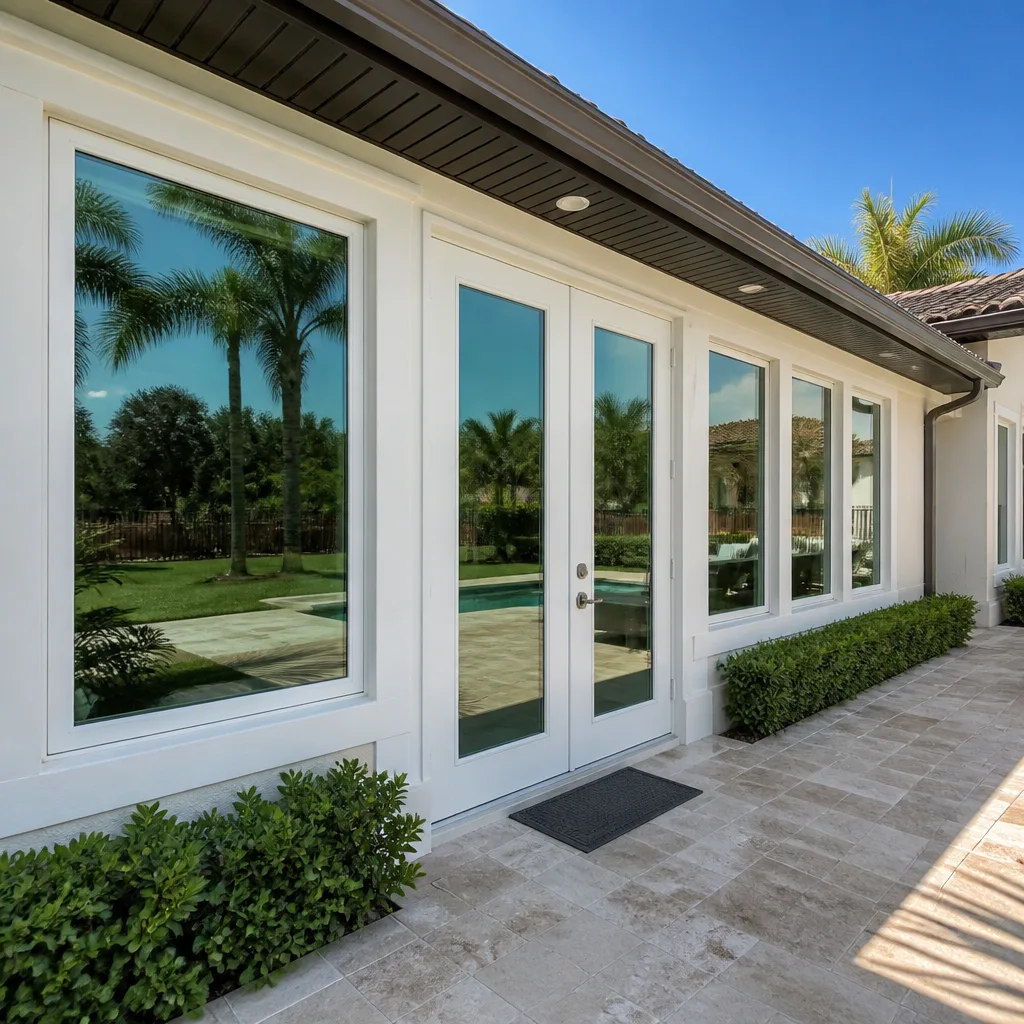 After
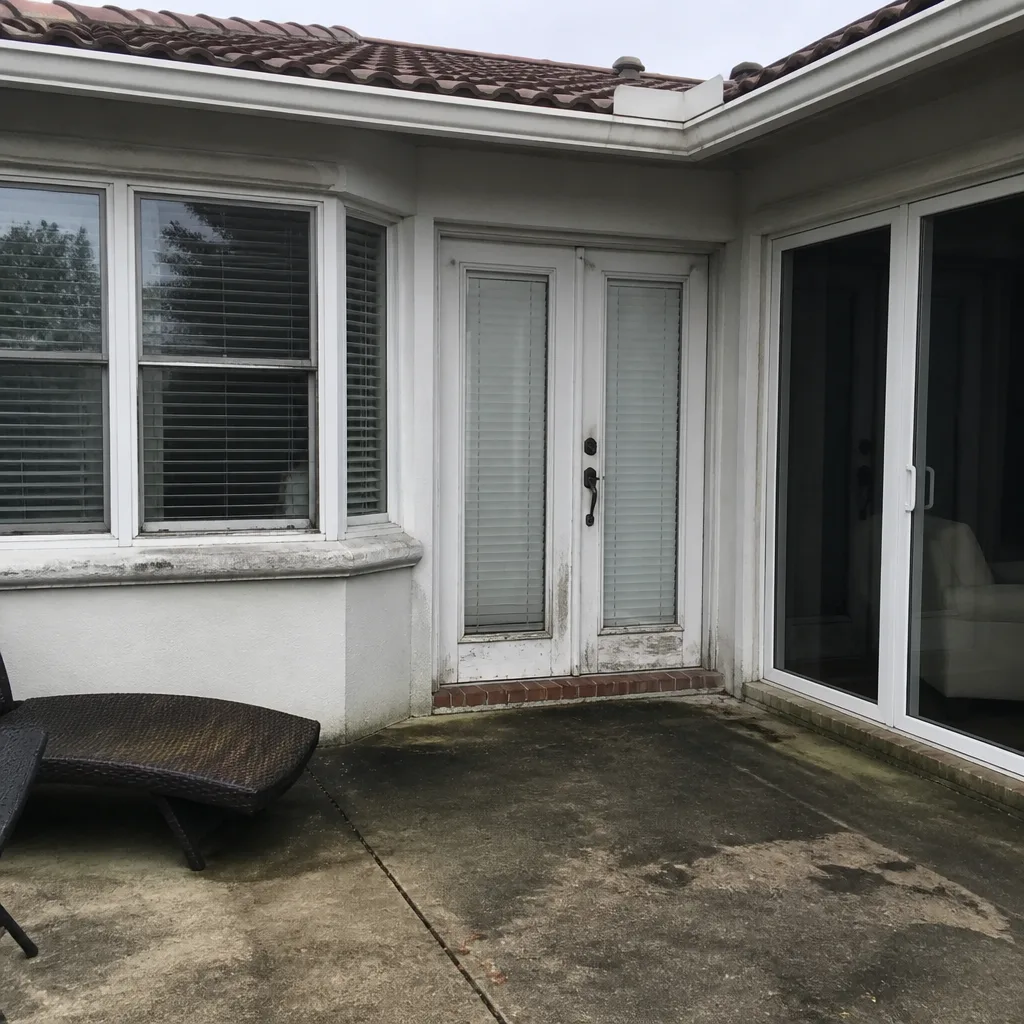 Before
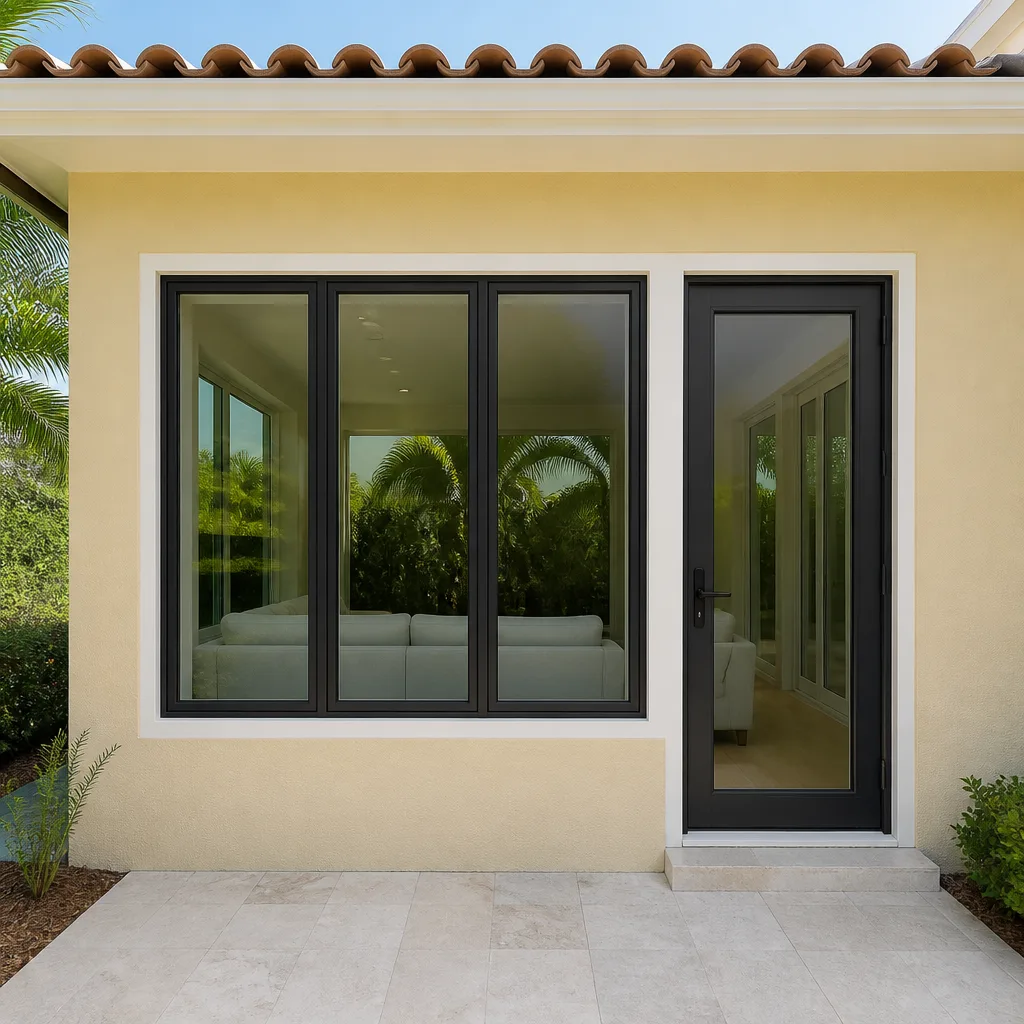 After
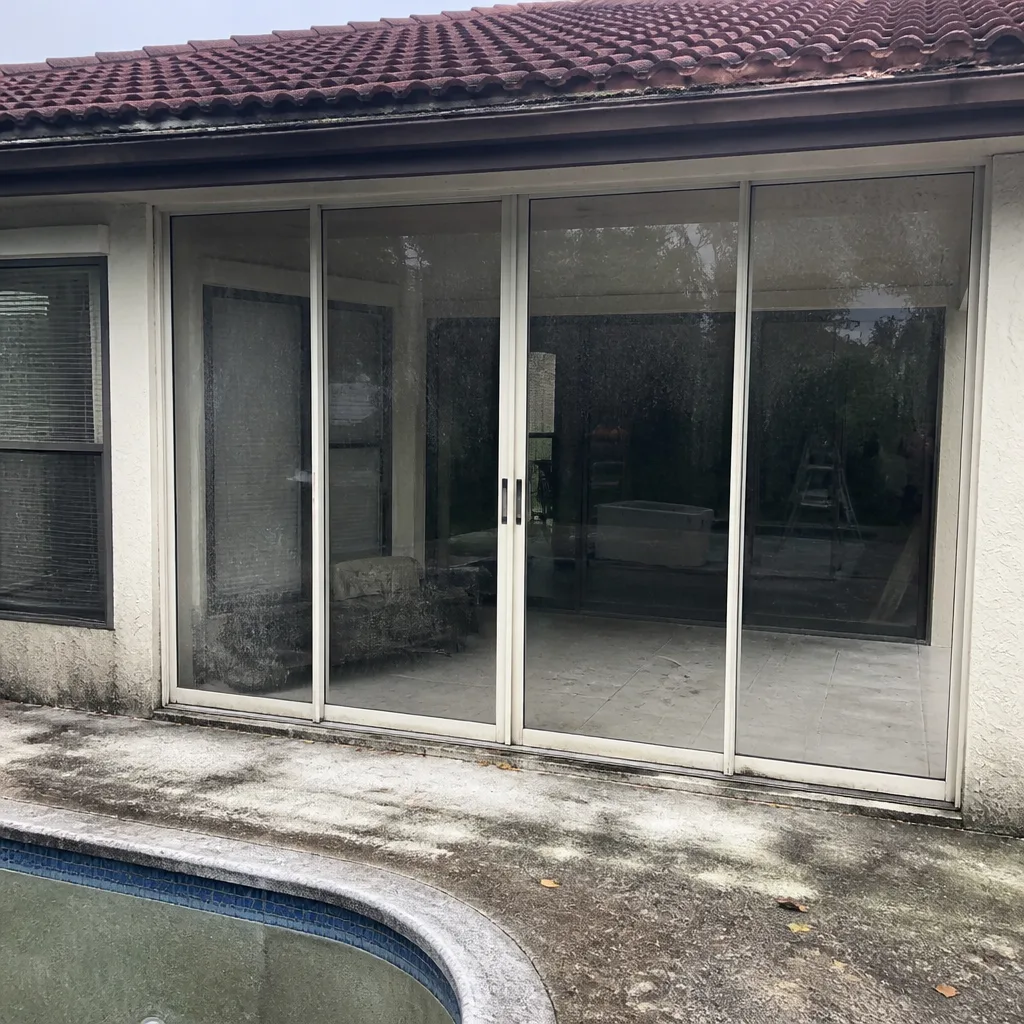 Before
 After
The Complete Guide to Windows & Doors in Boynton Beach
Windows and doors in Boynton Beach do not age the way they age in Minneapolis or Seattle. Here, they get hit with salt air, subtropical sun, and hurricane-driven rain, often in the same week. Most homeowners only think about their windows when a seal fogs up or a door starts binding, but by then the problem has usually been building for years. This guide explains what actually matters when you replace or upgrade windows and doors in a coastal Florida climate: impact ratings, frame materials, glazing choices, installation tolerances, and the local code requirements that quietly determine whether a job is done right. Written from the perspective of a company that has served Boynton Beach since 2008, every section below answers a question we hear from homeowners in this city every week.
Quick Answer
The best windows and doors for a Boynton Beach home are impact-rated units with insulated glazing, installed square and sealed against wind-driven rain, and backed by both manufacturer warranty layers registered in writing. Expect to pay roughly $900 to $1,800 per opening for mid-range impact windows installed, and $4,500 to $9,000 for a standard impact-rated entry or sliding patio door, depending on size, manufacturer, and framing condition. A competent local installer should measure every opening twice, quote manufacturer lines side by side on paper, and pull permits before the work begins.
Table of Contents
- How the Boynton Beach Climate Decides What You Should Buy
- Impact Windows and Doors: What Actually Counts as Protection
- Frame Materials: Aluminum, Vinyl, or Composite for a Coastal Home
- Glazing and Coatings: What Keeps Heat Out and Glass Clear
- Installation: The Difference Between a Window That Fits and a Window That Lasts
- Permits, Code, and Why the Paperwork Matters in Boynton Beach
- What You Will Actually Pay: A Line-Item Cost Breakdown
- Common Mistakes to Avoid
- When to Call a Professional
- Frequently Asked Questions
- The Bottom Line
How the Boynton Beach Climate Decides What You Should Buy
Boynton Beach sits between the Atlantic and the Everglades, which means your windows and doors face two enemies working in shifts. From May through October, the sun sits high and hot, driving surface temperatures on western-facing glass well past 120 degrees. From June through November, the wind shifts and brings what the building code calls “wind-driven rain,” which is a polite way of saying water pushed sideways at 60 miles per hour. And year-round, the salt in the air attacks any metal that is not coated or anodized for marine environments.
This is not a climate where a window from a generic national supplier performs the same as one specified for coastal South Florida. We have replaced units in the Lake Boynton area that were less than eight years old but already showed corrosion on the frames and fogging between the panes. The corrosion came from uncoated aluminum. The fog came from a failed seal. Both were warranty claims the homeowner could not collect because the original installer never registered the paperwork.
Here is what the Boynton Beach environment asks of every window and door you consider:
- Impact rating: If the unit sits within the high-velocity hurricane zone, it must carry a Florida Product Approval number or a Miami-Dade NOA. This is not optional. Unrated units in rated openings will fail inspection.
- Salt-resistant hardware: Locks, hinges, rollers, and tracks should be stainless steel or marine-grade. Standard zinc hardware pits and seizes within a few seasons near the Intracoastal.
- UV-stable frames and seals: The sun in Boynton Beach will warp cheap vinyl and dry out cheap weatherstripping faster than homeowners expect. Ask what material the seals are made from and how long the manufacturer warrants them against UV degradation.
- Low-E glazing configured for cooling: A window that keeps heat in during a northern winter is the wrong window here. The low-E coating should be tuned to reject solar heat gain, not trap it.
When a homeowner in this city asks us what to look for, the short answer is: buy for the worst day of the year, not the average one. The average day in Boynton Beach is lovely. The worst day is a Category 4 making landfall south of the inlet, and your windows are the only thing between that storm and your living room.
A Note on the Intracoastal and Barrier Island Microclimates
Homes east of Federal Highway, and especially those on the barrier island in Ocean Ridge or near Briny Breezes, deal with noticeably more salt than homes two miles west. We recommend stainless steel hardware and marine-grade finishes on every opening within a mile of the coast. The additional cost is usually 7 to 12 percent, and it buys an extra decade of smooth operation.
Impact Windows and Doors: What Actually Counts as Protection
An impact window is not just a window with thicker glass. It is an engineered assembly: impact-rated laminated glass, a frame strong enough to hold that glass in place during a storm, and an anchoring system that ties the entire unit into the structure of the house. When a hurricane drives a piece of debris into an impact window, the glass may crack, but it stays in the frame. The storm stays outside. That is the entire point.
In Boynton Beach, impact protection is required for most new construction and for many replacement projects, depending on the location of the home and the scope of the work. But even when the code does not require it, there are two reasons homeowners choose impact-rated units anyway:
- Insurance savings: Most Florida insurers offer wind mitigation credits for homes with impact-rated openings. The credit varies by carrier and by how many openings are protected, but we have seen homeowners recover 15 to 30 percent of their annual premium.
- No shutters to hang: Impact windows protect the home without requiring anyone to drag panels out of the garage in August. For the homeowners we serve, many of whom are in their sixties and seventies, that alone is a quality-of-life upgrade worth paying for.
Two things matter when you are comparing impact products in Boynton Beach. The first is that the unit carries a current Florida Product Approval. The second is that the installer knows how the anchoring system works for your specific wall construction. A block-wall home in Renaissance Commons anchors differently than a wood-frame addition off Hypoluxo Road, and the installation detail changes with it. We have corrected jobs where the right window was ordered but the wrong anchor pattern was used, and it does not matter how good the window is if the screws are pulling out of the masonry.
Impact Door Frames: The Part Nobody Looks At
An impact-rated glass panel door is only as strong as the frame that holds it during a storm. A quality impact door in Boynton Beach needs a reinforced frame, a multi-point locking system, and threshold details that shed water rather than channeling it into the house. We always inspect the existing rough opening before quoting a door replacement. A door that works fine on a calm afternoon can still have a frame that is soft at the bottom from years of sprinkler overspray, and no door will fix that.
Frame Materials: Aluminum, Vinyl, or Composite for a Coastal Home
All frame materials have a place, but not all of them belong on every Boynton Beach house. The three materials you will see most often in this market are aluminum, vinyl, and engineered composite. Each has a profile, a price band, and a set of trade-offs.
Aluminum: The Coastal Workhorse
Aluminum has been the default frame for South Florida impact windows for decades. It is strong, dimensionally stable in heat, and available in impact-rated configurations from manufacturers including Andersen, Pella, Marvin, and Milgard. Modern aluminum frames are thermally broken, which means a plastic insulator separates the interior and exterior metal so the frame does not conduct heat into the house. In Boynton Beach, we recommend aluminum for most impact openings and for any window wider than about 72 inches, where vinyl simply does not have the structural stiffness to hold laminated glass.
Vinyl: Good Where Heat and Width Are Manageable
Vinyl costs less and insulates better than unbroken aluminum, but it has two weaknesses in this climate. Direct western sun will cause low-cost vinyl to soften, warp, and eventually chalk. And because vinyl is not as stiff as aluminum, very large windows and tall sliding doors will sag over time, especially when the glass is impact-rated and heavy. For smaller, shaded, or north-facing openings on Boynton Beach homes, a quality vinyl window from Marvin or Milgard can be an excellent value. For a 16-foot wall of sliding doors on the west side of a house, it is the wrong material.
Composite: The Premium Middle Ground
Composite frames combine wood fibers or polymers with resin to make a material that is stiffer than vinyl and more insulating than aluminum. They cost more than both. The advantage is long-term dimensional stability and a traditional look, which matters to homeowners in older Boynton Beach neighborhoods who want the character of a wood window without the rot and termite risk. A composite window from Andersen or Pella will carry a longer finish warranty than almost any vinyl competitor, and in a salt-air market, that longer warranty matters.
Our rule of thumb for this city: if the opening faces the sun and has to hold impact glass, aluminum is the default. If the opening is small, shaded, and on a budget, vinyl works. And if the house has architectural character worth preserving, composite deserves a look.
Glazing and Coatings: What Keeps Heat Out and Glass Clear
The glass package matters more than the frame when it comes to comfort and energy bills in Boynton Beach. In this climate, the annual cooling load is what you manage. A well-specified glass package can cut solar heat gain through your windows by 40 to 60 percent compared with clear single-pane glass, and that shows up directly on your FPL bill from May through September.
There are three decisions to make, and we walk homeowners through each one on paper before any order goes in:
- Glazing configuration: Double-pane is the baseline for any new window in this market. Laminated impact glass is often a double-pane assembly in itself, with the laminated outer pane and tempered or annealed inner pane. Triple-pane exists but rarely pays for itself in Boynton Beach, where the problem is heat, not cold.
- Low-E coating position: The coating should sit on the interior-facing surface of the outer pane, where it can reflect solar radiation back outside before it enters the air space. A coating placed wrong is not just useless; it can trap heat inside the glass unit and shorten seal life.
- Gas fill: Argon is standard in most quality double-pane units and improves the insulation value between the panes. Argon will slowly leak over decades; that is normal, and the window still performs within spec. Krypton is available from some manufacturers but rarely worth the added cost in coastal Florida.
Here is a quick reference for what each glass package typically costs in the Boynton Beach market, installed, per standard 36-by-60-inch window:
| Glass Package | Typical Installed Cost Per Opening | Best For |
|---|---|---|
| Clear single-pane (replacement of existing) | $350-$650 | Interior or detached structures only |
| Double-pane, no impact rating | $550-$950 | Non-rated openings, interior walls |
| Double-pane, impact-rated | $900-$1,600 | Exterior rated openings - the standard |
| Impact-rated, low-E tuned for cooling, argon fill | $1,100-$1,800 | Full-performance coastal package |
When we quote glass packages in Boynton Beach, we always show the impact-rated low-E option side by side with the cheaper alternatives, with the prices on paper. Homeowners deserve to know exactly what they are buying and what it will do, and no manufacturer offers a meaningful warranty on a unit sold without the original glass documentation.
Installation: The Difference Between a Window That Fits and a Window That Lasts
Most window failures in Boynton Beach are not window failures. They are installation failures that show up years later as a window failure. The seal on a good impact window should last twenty years or more. The flashing and anchoring around it should also last that long, and that part is entirely in the hands of the crew setting the unit.
A correct installation in a coastal Florida home goes like this:
- Measure everything twice. Not just the width and height, but the diagonals, the reveal, and the depth of the channel. If the rough opening is out of square, the window must be shimmed to compensate, not forced in and screwed down.
- Inspect the rough opening before any new unit goes in. Water stains, soft framing, termite trails, and old sealant are all findings that must be addressed on paper before installation. A window installed over a rotten sill is a two-year warranty claim waiting to happen.
- Set the proper anchor pattern. Concrete block, poured tie beam, and wood frame all require different fasteners and different spacing. The manufacturer’s Florida Product Approval drawings specify the pattern, and a competent installer follows it exactly.
- Flash and seal the perimeter. The goal is water management: any water that gets past the outer seal should be directed down and out, never into the wall cavity. We use manufacturer-specified flashing details, not “whatever’s on the truck.”
- Register the warranty before leaving the driveway. Both manufacturer warranty layers get registered in writing, with durations stated, before the crew heads to the next job. That is the Keystone Standard we follow on every install, because a warranty that is not registered is a warranty that does not exist.
We have seen the alternative too many times in this city. A crew sets a window “close enough,” throws a bead of caulk around it, and is gone before lunch. The homeowner does not discover the problem until the first hard storm drives water behind the frame. By then, the installer has a new phone number and the manufacturer has a stack of reasons the warranty does not apply.
Installation is also where the materials meet the man. At TruePane Windows & Doors home, Dale Kessler has kept one rule on the whiteboard since he founded the company in 2008: if the pane is not true, the job is not done. A window installed a quarter-inch out of plumb still works. Until it doesn’t. We set every unit true, level, and square. That is the craft part of the trade, and it is the part no manufacturer can build into a box.
Permits, Code, and Why the Paperwork Matters in Boynton Beach
In Boynton Beach, replacing windows and doors is a permitted job when the openings change in size or when the work affects the structural or wind-load performance of the home. In practice, this covers nearly every window or door replacement we do. The permit process is not a formality. It is the mechanism that ensures the work meets the Florida Building Code, including the high-velocity hurricane zone requirements that apply to much of this city.
What a permit gets the homeowner:
- An independent inspection. A city or county inspector verifies that the anchoring, flashing, and installation details match the approved plans. This is the only outside check on whether the crew did what they claimed.
- A paper trail for insurance. Most wind mitigation credits require proof that rated windows and doors were installed under permit and passed inspection. Without that paperwork, the insurance discount may not survive a claim review.
- Code compliance at resale. If the house is ever sold, the buyer’s inspector will look for unpermitted work. Unpermitted windows and doors can become a negotiation problem or a failed sale in this market.
The homeowners we work with in Boynton Beach are often surprised by how straightforward the permit process is when the contractor handles it correctly. We pull the permit, schedule the inspections, meet the inspector on site, and provide the homeowner with the final inspection record. If the work does not pass, we correct it on our dime under the Done Right Promise. There is no fine print and no argument. If it is not done right, we make it right.
What the Code Requires for Impact Openings Near the Coast
If a home falls within the wind-borne debris region, which includes nearly all of Boynton Beach, every exterior glazed opening must meet one of three protection options: impact-rated units, shutters, or a combination. If you go with impact units, each one must carry a Florida Product Approval number that matches the unit’s size and design pressure rating. A unit rated for 50 pounds per square foot cannot be installed in an opening that requires 60. This is a specific, checkable detail, and we quote it on every line item so the homeowner and the inspector see the same information.
What You Will Actually Pay: A Line-Item Cost Breakdown for Boynton Beach
Window and door pricing in Boynton Beach is not a secret, but it is also not a single number. Any contractor who gives you a price per window without asking about the opening, the material, the glass package, and the framing condition is guessing. Here is what we tell homeowners to expect for a typical single-family home in this city, as of 2025 pricing:
| Scope | Typical Range, Installed | What Moves the Price |
|---|---|---|
| Single impact window, standard size | $900-$1,600 | Brand, frame material, low-E package |
| Single non-impact window, standard size | $500-$850 | Vinyl vs aluminum, glazing |
| Sliding patio door, impact-rated, 8 ft | $4,500-$7,500 | Multi-slide, tint, stainless hardware |
| French door, impact-rated, double | $5,500-$9,000 | Hardware, glass, transom additions |
| Whole-house window replacement, 10-14 openings | $12,000-$22,000 | Impact vs non-impact, framing repairs |
| Full-frame door replacement with new jamb/threshold | $2,800-$5,200 | Rot repair, block vs wood frame |
These are installed prices in the Boynton Beach market, inclusive of typical labor and permitting. They do not include unusual framing repairs, which we always identify and quote separately in writing before the work begins. If a contractor gives you a fixed quote and then finds rotten framing once the old window comes out, that new cost should be a written change order, not a surprise line item at the end. We quote everything on paper, including the permit, and the price on the signed quote is the price you pay unless you change the scope.
Why a “Good Deal” on Windows Often Costs More Later
In this trade, the cost of the window is only part of the job. The labor to remove the old unit, prepare the opening, set the new one, flash it, anchor it to the manufacturer’s drawings, and register the warranty is often a third of the total. A contractor who quotes the window cost and “throws in” the installation is either hiding the labor in an inflated material price or cutting the labor to nothing. Both are bad for the homeowner. When we quote a job in Boynton Beach, the line items are separated: material, labor, permit, and warranty registration. You see exactly what you are paying for, which is the only way a grown-up can compare bids.
Common Mistakes to Avoid
- Buying a non-impact window for a rated opening because it is cheaper. The inspector will flag it, the insurance company will deny the credit, and you will pay twice when the unit has to come back out. If the opening is rated, buy the rated unit.
- Choosing a frame material without accounting for the coastal air. A vinyl window that works fine in a shaded north-facing wall will perform differently on a west-facing wall that gets six hours of direct Florida sun. In Boynton Beach, the sun and salt choose the material as much as the budget does.
- Skipping the permit. We have replaced windows that were installed five years earlier without a permit, and the homeowner discovered the issue only when an insurance adjuster asked for documentation. The unpermitted window cost more to correct than the permit would have cost in the first place.
- Not registering the warranty. Both manufacturer warranty layers on every unit we install are registered in writing before the truck leaves the driveway. A warranty card that sits in a drawer unsigned is not a warranty. It is a piece of paper.
- Ignoring what the existing opening is telling you. If the old jamb is soft, the floor under the door is spongy, or the window sill shows water stains, that is information. A contractor who covers it up with a new unit is not doing you a favor, they are building a call-back into your future.
- Comparing bids by price alone. Two quotes for “impact windows” can differ by thousands of dollars and still both be honest quotes. The difference is in the brand, the glass package, the flashing spec, and the warranty registration. A square deal means you can see all of it on paper.
When to Call a Professional
Some window and door work is owner-level: cleaning tracks, lubricating hardware, tightening a handle screw. Most of it is not. If a window is fogged between the panes, the seal has failed and the glass unit needs replacement, not repair. If a door is binding at the top corner, the opening has likely shifted or the hinges are worn past adjustment, and forcing it will damage the frame. If a window rattles in the frame when the wind picks up, the weatherstripping or the balance has failed. And if any opening shows water stains, mold, or soft wood around the perimeter, the water has already been getting in for a while, and the fix starts with finding where and how, not with caulking over the symptom.
TruePane Windows & Doors offers free estimates in Boynton Beach. Call (561) 708-6771 and a live person will answer, day or night. We will measure, inspect the openings, and give you a written line-item quote with no pressure and no fine print.
Frequently Asked Questions
A full window replacement in Boynton Beach typically costs between $12,000 and $22,000 for 10 to 14 impact-rated openings installed, including labor and permits. The range depends on the brand, frame material, glass package, and the condition of the existing openings. Call (561) 708-6771 for a written quote on your specific home; estimates are free.
No, the code allows shutters as an approved protection method, and many Boynton Beach homes use them. The advantage of impact windows is convenience and year-round protection without the seasonal work of hanging panels. The choice comes down to how much you value not having to deal with shutters, and we will show you both options priced side by side.
A quality impact window from a manufacturer like Andersen, Pella, or Marvin should last 25 to 35 years in Boynton Beach, with the laminated glass and frame maintaining their structural integrity for the full service life of the home. The sealant and weatherstripping will need inspection periodically, and proper installation is the variable that most determines longevity. Call (561) 708-6771 to schedule an inspection of your existing windows.
Most Florida insurers offer wind mitigation credits for homes with impact-rated openings, and homeowners in Boynton Beach can often recover 15 to 30 percent of their annual premium, depending on the carrier and the number of protected openings. The credit typically requires permit documentation and a final inspection record. We pull the permit and provide the paperwork.
A typical whole-house window replacement of 10 to 14 openings takes two to four days on site in Boynton Beach, with a single door replacement usually completed in one day. The timeline depends on whether framing repairs are needed and how many units are being set. We schedule work in advance and our crew arrives when we say they will.
Yes, we pull permits on every job that requires one, which is most replacement work in Boynton Beach. We schedule the inspections, meet the inspector on site, and provide the homeowner with the final inspection record. If the work does not pass, we correct it at no additional cost under the Done Right Promise. Call (561) 708-6771 to get started.
The Bottom Line
Windows and doors in Boynton Beach are a system, not a collection of individual units. The glass package, the frame material, the anchoring method, the flashing details, and the warranty registration all have to work together, and any weak link eventually shows up as a fogged pane, a water stain, or a binding door. The right contractor measures twice, quotes on paper, pulls the permit, sets the units true and square, and registers both warranty layers before leaving the driveway. That is the standard we have kept in this city since 2008, and it is the only way we know how to work. If your windows are telling you something, call (561) 708-6771. A live person will answer, and we will give you a straight answer and a free estimate.
Written by Dale Kessler, Owner at TruePane Windows & Doors, serving Boynton Beach since 2008.
Six Reasons Homeowners Choose TruePane Windows & Doors
Impact systems engineered to design pressures up to +/-100, matched to your wind zone - your openings hold when the storm arrives.
Low-E insulated impact glass from our manufacturer lines commonly cuts monthly cooling bills 20-30%.
Laminated impact glass shuts out up to 40% of outside noise - traffic, neighbors, weather.
Monitoring services run $30-90 a month. Laminated impact glass resists forced entry around the clock, with no subscription.
Florida homeowners average around 25% savings on the windstorm portion of their policy after protecting every opening - some homes qualify for more.
A full impact package upgrades curb appeal, buyer confidence and appraised value in one project.